Hey Beautiful! This site is reader-supported and we earn commissions if you purchase products from retailers after clicking on a link from our site.
Hibiscus hair masks have been used as a hair care staple for many many years, and the tradition hasn’t slowed down. If you scroll through hair care communities, you’ll notice the same combination showing up again and again in DIY threads: hibiscus, amla, fenugreek, and aloe vera, blended into a mask and applied before shampooing.
Let’s find out together why this mix is so popular and how to actually make and use a hibiscus hair mask at home.
Table of Contents
- What Is a Hibiscus Hair Mask?
- Why People Use Hibiscus for Hair
- The Classic Combination: Hibiscus, Amla, Fenugreek, and Aloe Vera
- How to Make a Basic Hibiscus Hair Mask
- The Full Mix: Hibiscus, Amla, Fenugreek, Aloe Vera
- When and How Often to Use It
- Matching the Mask to Your Hair Type
- Mistakes That Reduce Results
- Frequently Asked Questions
- Getting Started With Your Own Mix
What Is a Hibiscus Hair Mask?
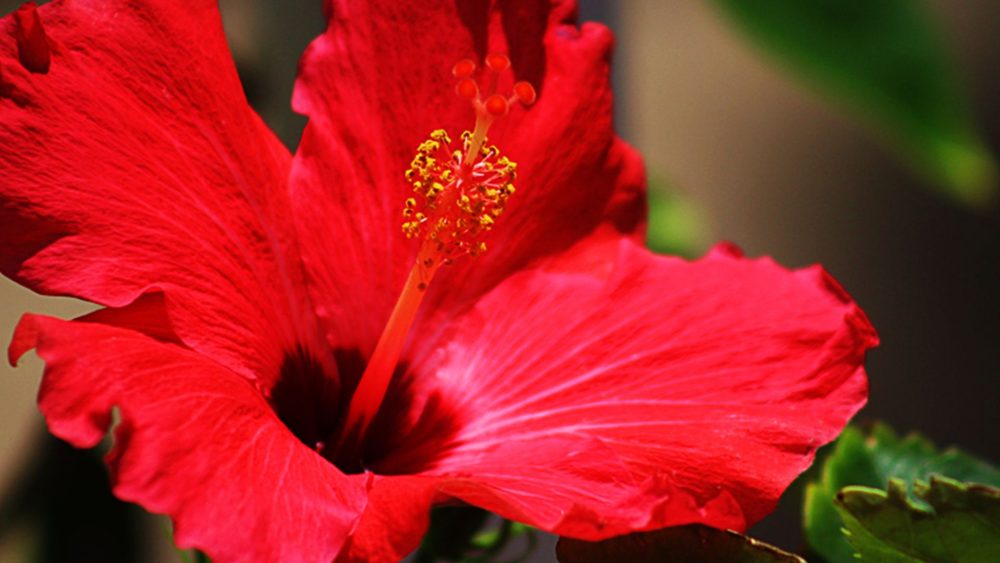
A hibiscus hair mask is a simple paste made from hibiscus flowers, leaves, or powder, usually combined with other natural ingredients, then applied to the scalp and hair strands. It’s typically left on for 30 minutes to an hour before washing.
Hibiscus has been used as a scalp tonic and conditioning treatment in traditional hair care practices. The plant contains mucilage (a gel-like substance), amino acids, and antioxidants that coat the hair shaft and support the scalp environment.
And these days, modern hair care communities have picked this up and turned it into a go-to DIY treatment for softness, shine, and reduced breakage.
Why People Use Hibiscus for Hair
What typically happens when people have added hibiscus masks into their routine:
- Softer strands — the mucilage in hibiscus acts as a natural conditioner
- Less breakage — smoother hair cuticles snag and split less during styling
- Added shine — the coating effect reflects light more evenly
- Scalp support — hibiscus has mild antioxidant and soothing properties
- A gentler alternative to chemical conditioners — appealing for people moving toward natural hair care
That said, most of this evidence is traditional and anecdotal rather than backed by large clinical studies. Of course this doesn’t mean it doesn’t work, but treat claims about dramatic hair growth with a healthy dose of skepticism.
The Classic Combination: Hibiscus, Amla, Fenugreek, and Aloe Vera
This four-ingredient mix is the one that keeps coming up across DIY hair care threads and forums.
Each ingredient plays a role:
| Ingredient | What It Adds | Texture in the Mask |
|---|---|---|
| Hibiscus (flower/leaf) | Softness, mild conditioning, shine | Gel-like, slightly slippery |
| Amla (Indian gooseberry) | Vitamin C, antioxidants, scalp support | Slightly gritty, tart smell |
| Fenugreek (methi) | Extra sliminess for slip and detangling, protein content | Very mucilaginous once soaked |
| Aloe vera | Hydration, soothing, lighter overall texture | Watery, gel-like |
Used together, these ingredients create a mask that’s thick enough to coat the hair but slippery enough to detangle easily. Big part of why the combination has stuck around.
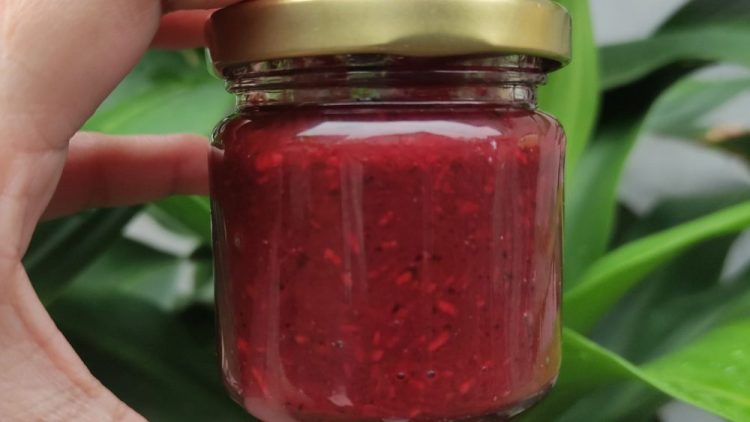
How to Make a Basic Hibiscus Hair Mask
If you want to start simple before adding the extra ingredients, here’s a quick version:
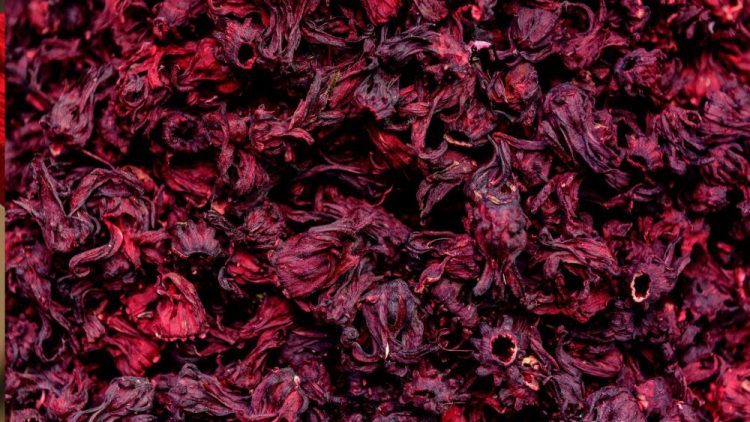
- Take 4 to 5 fresh hibiscus leaves and flowers, or 2 tablespoons of hibiscus powder
- Blend with a small amount of water until you get a smooth, thick paste
- Apply directly to the scalp and work through the lengths
- Leave on for 30 to 45 minutes
- Rinse thoroughly, then shampoo as usual
This recipe works well if you’re testing for sensitivity or just want to see how your hair responds to hibiscus on its own.
The Full Mix: Hibiscus, Amla, Fenugreek, Aloe Vera
For the version that shows up most often in DIY discussions, here’s a doable recipe:
Ingredients
- 4 to 5 hibiscus leaves and flowers (or 2 tablespoons hibiscus powder)
- 1 tablespoon amla powder
- 1 tablespoon fenugreek seeds, soaked overnight in water
- 2 tablespoons fresh aloe vera gel
Steps
- Drain the soaked fenugreek seeds and blend them with the hibiscus leaves/flowers until smooth
- Add the amla powder and blend again to combine
- Mix in the aloe vera gel by hand until you get an even, spreadable paste
- Section your hair and apply the mask from roots to ends, focusing extra on the scalp
- Cover with a shower cap and leave on for 45 minutes to an hour
- Rinse with lukewarm water, then follow with a gentle shampoo
If the mixture feels too thick to spread, add a small splash of water. If it feels too runny, add a bit more hibiscus or amla powder to thicken it back up.
When and How Often to Use It
Most people apply hibiscus masks before shampooing, not after, since the mask is meant to sit on unwashed hair and be rinsed out along with the wash step.
Keep in mind:
- Frequency: once a week is a common starting point; twice a week if your hair tolerates it well
- Timing: apply before shampooing, never on freshly washed or stripped hair
- Application order: scalp first, then work the excess through the lengths
- Rinse temperature: lukewarm water helps avoid stripping the scalp of natural oils
Matching the Mask to Your Hair Type
Not every hair type reacts the same way to a heavy, mucilaginous mask, so here’s a quick guide:
- Fine or oily hair: use a lighter version with less fenugreek, since too much slip can weigh strands down
- Dry or coarse hair: the full four-ingredient mix works well, and you can add a teaspoon of oil (coconut or almond) for extra moisture
- Color-treated hair: hibiscus is generally safe, but do a strand test first since some people report subtle color shifts with prolonged use
- Sensitive scalp: patch test on your inner arm 24 hours before applying to your scalp, especially with amla, which can feel tingly for some people
Mistakes That Reduce Results
A few things tend to trip people up when they first try this mask:
- Using dried hibiscus powder without checking it’s meant for topical use, not tea
- Skipping the patch test and ending up with scalp irritation
- Leaving the mask on for hours expecting better results, when 45 minutes to an hour is plenty
- Applying to dry, unwashed hair with heavy product buildup, which blocks the mask from doing its job
- Rinsing with hot water, which can undo some of the conditioning benefit
Frequently Asked Questions
Generally yes, but do a small strand test first since natural pigments can occasionally interact with certain hair dyes.
Most have reported softer, shinier hair after just one or two uses. Changes in breakage or growth take longer, usually several weeks of consistent use.
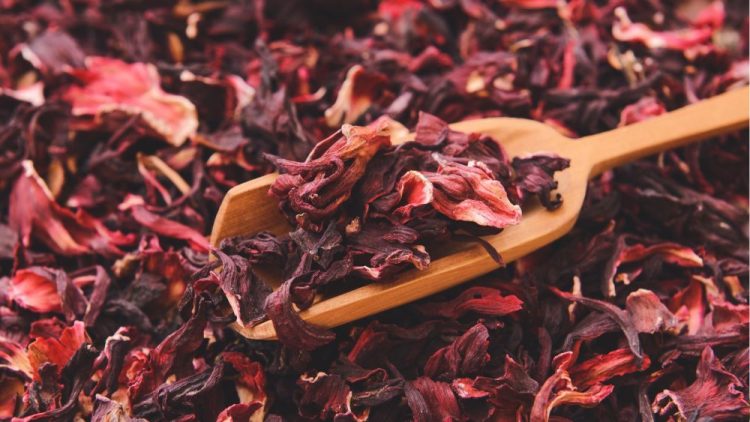
Yes. Dried hibiscus powder works fine and is often easier to find outside regions where the plant grows locally. Just adjust the water ratio since dried powder absorbs more liquid.
Daily use isn’t necessary and can leave hair feeling weighed down. Once or twice a week is enough for most hair types.
There isn’t strong clinical evidence for dramatic hair growth from hibiscus alone. What it does reliably support is scalp condition and hair softness, which indirectly reduces breakage and helps hair look fuller over time.
Getting Started With Your Own Mix
If you’re new to this, start with the basic hibiscus-only version for a week or two before moving to the full amla, fenugreek, and aloe vera combination. That way you’ll know which ingredient is doing the work if your hair reacts one way or another.
From there, the ratios in this guide are a solid starting point, and most adjust them slightly based on how thick or fine their hair is.