
Hey Beautiful! This site is reader-supported and we earn commissions if you purchase products from retailers after clicking on a link from our site.
Spent any time on hair care social media lately? You’ve probably seen someone spraying rosemary water on their scalp and swearing by it. The idea is actually pretty simple: steep some rosemary, spray it on, and let your hair get thicker over time. But how much of that actually holds up once you look past the videos? Let’s dig in, no hype included.
What Is Rosemary Water?
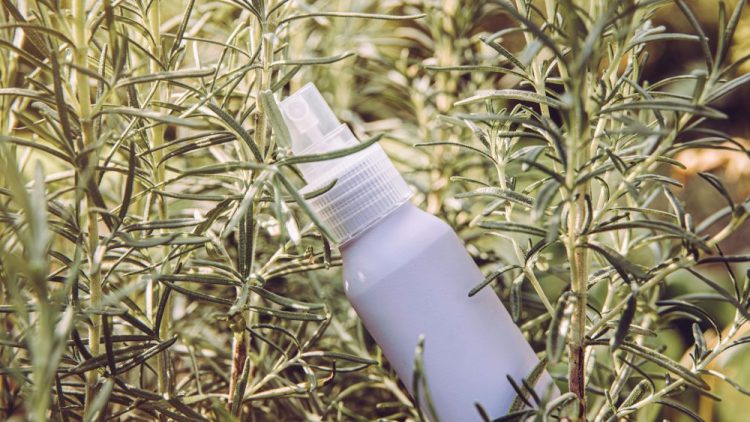
Rosemary water is a homemade infusion made by steeping rosemary sprigs (fresh or dried) in hot water. It’s different from rosemary oil, which is a concentrated extract usually mixed with a carrier oil.
Rosemary water is gentler by comparison. It’s really mostly water with a few plant compounds pulled out during simmering.
That difference matters a lot for what you can realistically expect from it, so keep it in mind as we go.
How to Make Rosemary Water at Home
Good news: this is an easy, budget-friendly recipe you can put together with stuff from any grocery store.
| Step | What to Do |
|---|---|
| 1. Choose your rosemary | Fresh sprigs work great, or use 2-3 tablespoons of dried rosemary per 2 cups of water |
| 2. Simmer | Add the rosemary to water in a small pot and simmer on low heat for 15-20 minutes |
| 3. Cool | Let it cool down to room temperature |
| 4. Strain | Strain out the rosemary with a fine mesh strainer or cheesecloth |
| 5. Store | Pour it into a clean spray bottle and pop it in the fridge |
| 6. Apply | Spray onto your scalp a few times a week, focusing on any areas that feel thin |
A few things worth knowing before you start:
- Keep it refrigerated. There’s nothing in it to preserve the mixture, so it can spoil within about a week.
- Apply it to a clean, dry or damp scalp rather than soaking wet hair, so it actually gets a chance to sit on your skin.
- You don’t have to rinse it out right away. A lot of people just leave it in and style as usual.
- If your scalp feels itchy or irritated afterward, ease off. Try diluting it more next time, or skip it for a bit.

What People Are Actually Saying About It
The anecdotal reviews are mixed, but they lean positive when it comes to how the scalp feels, even if dramatic regrowth stories are rarer.
On TikTok, a lot of people say their hair feels thicker and sheds less after sticking with it for a few months. Many also pair it with a scalp massage while applying it, which is probably doing some of the heavy lifting too.
On Reddit, the tone is a bit more grounded. Plenty of users describe it as a nice, low-key addition to their routine, something that feels good and smells nice, but most are quick to say it’s not a real substitute for treatments with stronger backing, like minoxidil.
That gap between the social media hype and the more cautious forum takes is worth keeping in mind before you get your hopes up too high.
What the Research Actually Shows
Here’s the part that trips people up: most of the real evidence out there is about rosemary oil, not the homemade water version.
- A handful of lab studies and small human trials suggest rosemary oil may help with certain types of hair loss, including androgenetic alopecia (the common pattern hair loss). One often-cited study found rosemary oil performed about as well as a low-concentration minoxidil solution over six months.
- Rosemary oil seems to help partly by improving blood flow to the scalp and calming inflammation, both of which play a role in keeping hair follicles healthy.
- Rosemary water, the version most people are brewing at home, hasn’t been studied nearly as much. It’s much less concentrated than the oil, so it makes sense to expect a milder effect, if any noticeable effect at all.
So the buzz isn’t coming out of nowhere. There’s some real science behind rosemary and hair health. It’s just tied to a stronger, more concentrated product than the one going viral in spray bottles.
Rosemary Water vs. Rosemary Oil
| Rosemary Water | Rosemary Oil | |
|---|---|---|
| Concentration | Low | High |
| Evidence for hair growth | Limited, mostly anecdotal | Some clinical and lab support |
| Best used for | Scalp refresh, light care routine | Targeted treatment for thinning |
| Irritation risk | Low | Higher, especially undiluted |
| Cost | Very low, homemade | Moderate |
| Shelf life | About a week (refrigerated) | Several months to a year |
If you’re after measurable regrowth, rosemary oil (properly diluted) has more research behind it. If you just want something light and low-risk to add to your routine, rosemary water is a perfectly reasonable, easy option.

How to Use Rosemary Water Realistically
A few tips to get the most out of it without setting yourself up for disappointment:
- Stick with it. Most of the “my hair feels thicker” stories come after months of regular use, not a couple of weeks.
- Add a scalp massage. Massaging your scalp while applying it may boost circulation, and it could be doing more of the work than the rosemary itself.
- Keep your expectations reasonable. Think of it as a nice supporting habit, not a fix for significant hair loss on its own.
- Patch test first. Try a small amount on your inner arm or a small patch of scalp 24 hours before using it fully, just to rule out irritation.
- Pair it with proven options if hair loss is a real concern. If thinning is more than surface-level, it’s worth chatting with a dermatologist about treatments with stronger clinical evidence behind them.
Who Should Be a Bit More Careful
Rosemary water is generally low risk, but a few groups should take it a little slower:
- People with sensitive or eczema-prone scalps, since even diluted plant compounds can sometimes cause a reaction
- Pregnant individuals, since concentrated rosemary in larger amounts comes with some traditional cautions, though a diluted topical spray is a much smaller exposure
- Anyone already using medicated scalp treatments, since combining products can sometimes lead to irritation or reduce how well things absorb
If you’re ever unsure, a quick check-in with a dermatologist before adding it to your routine is a good five-minute investment.
So, Is Trying Rosemary Water Worth It?
Rosemary water is cheap, simple to make, and low risk for most people, which explains why it’s caught on the way it has. The scalp-care ritual and light herbal scent are genuinely nice parts of a routine. Also, plenty of people do notice their hair feeling healthier with regular use.
Just keep the science in mind. The stronger evidence points to rosemary oil, not the diluted water version, and even that research is still fairly limited.
If you’re curious, there’s really no harm in trying it out as a gentle addition to your hair care routine. And if you’re dealing with more serious hair loss, treat rosemary water as a nice extra alongside your routine, not a replacement for treatments with real clinical backing.
FAQs
Most people who report results say it took a few months of consistent use, usually two to three times a week, before they noticed any change in shedding or thickness. There’s no set timeline since it hasn’t been studied closely, so treat any estimate as a rough guide rather than a guarantee.
Can I use rosemary water every day?
You can, as long as your scalp tolerates it well. Some people use it daily, others stick to a few times a week to avoid buildup or irritation. If you notice dryness or itching, cut back.
No, it’s fine to leave it in. Most people spray it on and go about their day or head to bed. If it feels sticky or heavy, a light rinse is fine too.
Not necessarily better, just different. Rosemary oil is more concentrated and has more research behind it for hair growth specifically. Rosemary water is milder and lower risk, but the evidence for it is mostly anecdotal.
It’s unlikely on its own, since it’s a mild, diluted infusion. That said, any scalp irritation, if it happens, can contribute to shedding, so it’s worth stopping if your scalp reacts poorly.
Generally yes, since it’s just a light herbal infusion without harsh chemicals. If you’re cautious, do a strand test first to make sure it doesn’t affect your color.
About once a week is a good rule of thumb, since homemade rosemary water has no preservatives and can spoil once it sits too long, even refrigerated.