
Hey Beautiful! This site is reader-supported and we earn commissions if you purchase products from retailers after clicking on a link from our site.
Scroll through any skincare forum and you’ll find people arguing over these two like it’s a sports rivalry. Both show up in half the “best products for acne” and “best products for dark spots” lists on the internet, and both get recommended by dermatologists on a regular basis. But they’re not interchangeable, and picking the wrong one (or using them the wrong way) can leave you disappointed with results that never show up.
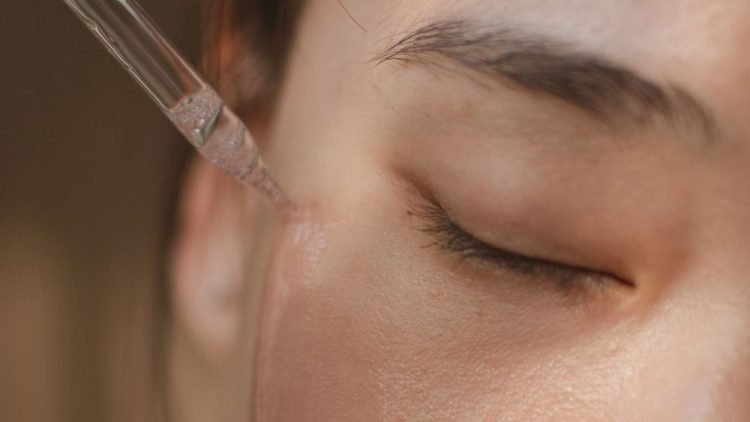
Azelaic Acid vs Niacinamide
| Factor | Azelaic Acid | Niacinamide |
|---|---|---|
| Best for | Acne, rosacea, stubborn dark spots | Oily skin, large pores, sensitive skin, general maintenance |
| Typical strength | 10-20% | 2-10% |
| Speed of results | 4-8 weeks | 4-8 weeks |
| Texture | Slight exfoliation | None, non-exfoliating |
| Irritation risk | Mild tingling common at first | Very low, well tolerated by most |
| Works on active breakouts | Yes, strong antibacterial effect | Limited, mostly preventive |
| Works on redness | Yes, especially rosacea | Yes, calms and soothes |
| Can use with retinol | Yes | Yes, often paired together |
| Can use during pregnancy | Generally considered safe (check with your doctor) | Generally considered safe (check with your doctor) |
| Price range | Mid to higher, especially prescription strength | Budget-friendly, widely available |
What Azelaic Acid Actually Does
Azelaic acid is a naturally occurring acid found in grains like wheat, rye, and barley. In skincare, it’s synthesized in a lab and used at concentrations between 10% and 20% in over-the-counter and prescription formulas.
It works in a few specific ways:
- Kills acne-causing bacteria. It has antibacterial properties that target C. acnes, the bacteria linked to breakouts.
- Unclogs pores. It has mild exfoliating action, which helps prevent the buildup that turns into blackheads and whiteheads.
- Fades dark spots. It slows down an enzyme called tyrosinase, which your skin uses to produce melanin. Less melanin production means post-acne marks and sun spots gradually lighten.
- Calms redness. It’s commonly recommended for rosacea because it reduces inflammation and visible redness.
Because of this combination, azelaic acid is one of the few ingredients that treats acne and hyperpigmentation at the same time, which is a big reason dermatologists reach for it so often.
What Niacinamide Actually Does
Niacinamide is a form of vitamin B3. It’s water-soluble, plays nicely with almost everything, and shows up in concentrations from 2% to 10% in most products.
Its main jobs:
- Strengthens the skin barrier. It boosts ceramide production, which helps skin hold onto moisture and resist irritants.
- Regulates oil production. It can calm down overactive sebaceous glands, which makes it useful for oily and combination skin.
- Minimizes the look of pores. Less oil and better barrier function often means pores appear smaller over time.
- Evens out tone. Like azelaic acid, it interferes with melanin transfer, though through a slightly different mechanism, so it also helps fade discoloration.
- Reduces redness and inflammation. It’s gentle enough for sensitive and reactive skin types.
Niacinamide is more of a generalist. It doesn’t hit as hard on acne or pigmentation as azelaic acid, but it supports nearly every skin concern without much risk of backfiring.
Which One Should You Actually Use?
This depends entirely on what’s bothering you in the mirror right now.
Pick azelaic acid if:
- You’re dealing with active breakouts, not just leftover marks
- You have rosacea or persistent facial redness
- You’ve tried other brightening ingredients and your dark spots aren’t budging
- Your skin can tolerate a bit of tingling without freaking out
Pick niacinamide if:
- Your main issue is oiliness or enlarged pores
- Your skin barrier feels compromised, dry, flaky, or reactive
- You want a low-maintenance ingredient to layer under everything else
- You’re new to actives and want something gentle to start with
Use both if:
- You want acne control and barrier support at the same time
- Your skin tolerates actives well and you’re not prone to sensitivity
- You’re targeting both texture (acne, bumps) and tone (redness, dark spots)
Can You Use Azelaic Acid and Niacinamide Together?
Yes, and this combination is one of the more forgiving pairings in skincare. There’s no chemical reaction between them that cancels out either ingredient, and dermatologists frequently recommend using both for acne-prone or rosacea-prone skin that also needs barrier repair.
A simple way to combine them without overloading your skin:
- Cleanse your face with a gentle, non-stripping cleanser.
- Apply niacinamide first since it’s thinner and absorbs faster.
- Wait about 2-3 minutes to let it sink in.
- Follow with azelaic acid.
- Finish with a moisturizer to lock everything in.
- Apply sunscreen every morning, since both ingredients work on discoloration and unprotected sun exposure will undo your progress.
If your skin is on the sensitive side, start by using azelaic acid every other night and niacinamide daily. Once your skin adjusts, you can move azelaic acid to nightly use.
How Long Until You See Results
Neither ingredient works overnight, and expecting fast results is the most common reason people give up too early.
- Weeks 1-2: Skin may look slightly calmer, less oily shine with niacinamide, mild tingling with azelaic acid that usually fades
- Weeks 4-6: Fewer new breakouts, texture starts smoothing out
- Weeks 8-12: Dark spots visibly fade, redness decreases, pores look tighter
- Month 3+: Full results become noticeable, especially for pigmentation
Consistency matters more than concentration here. Using a 20% azelaic acid product twice a week will do less for your skin than a 10% product used every night.
Possible Side Effects
Azelaic acid can cause mild burning, stinging, or itching in the first couple of weeks. This usually settles down as your skin builds tolerance. Rarely, it can cause dryness or peeling, especially at higher strengths.
Niacinamide is one of the best-tolerated actives out there, but at very high concentrations (above 10%) some people report flushing or mild irritation. This is uncommon and usually resolves by dropping down to a lower percentage.
Neither ingredient increases sun sensitivity, but daily SPF is still a good idea since both are often used to fade sun-related discoloration, and unprotected sun exposure will slow down your progress.
So Which One Goes in Your Routine
Azelaic acid is the stronger option for active acne, rosacea, and stubborn pigmentation. Niacinamide is the gentler, more versatile option for oil control, barrier support, and general skin maintenance. Neither one replaces the other, and for a lot of skin concerns, using them together gets you further than picking just one.
If you’re only dealing with mild oiliness or want a low-risk starting point, niacinamide is the easier place to begin. If breakouts or dark marks are the real issue, azelaic acid is worth the slight adjustment period it takes to get used to.
Frequently Asked Questions
Yes. A common approach is niacinamide in the morning under sunscreen, and azelaic acid at night. You can also use both together in one routine if your skin tolerates it well.
Azelaic acid tends to work faster and more noticeably on stubborn dark spots, especially post-acne marks. Niacinamide helps too, but usually as a slower, supporting player rather than the main event.
Azelaic acid, hands down. It has direct antibacterial action against acne-causing bacteria, while niacinamide mostly helps by calming inflammation and regulating oil.
No. There’s no ingredient interaction that weakens either one. Some older skincare myths claimed niacinamide and acids don’t mix, but that’s been debunked. They’re commonly formulated together in the same products.
Usually, yes, though it may cause mild tingling at first. Starting with a lower concentration (10%) a few nights a week, then building up, is the easiest way to avoid irritation.
Possibly. Azelaic acid and niacinamide both help with tone and texture, but they don’t replace retinol for anti-aging or vitamin C for antioxidant protection. Many routines use niacinamide with vitamin C in the morning and azelaic acid or retinol at night.
Neither requires cycling on and off. Both are considered safe for long-term daily use as part of a regular routine.
Niacinamide has more evidence behind it for pore appearance, mainly because it regulates oil production, which is a major factor in how visible pores look.