Hey Beautiful! This site is reader-supported and we earn commissions if you purchase products from retailers after clicking on a link from our site.
In a world where skincare products often come with ingredient lists longer than a medieval scroll, there’s something deeply satisfying about creating your own face mask. This isn’t just another clay mask recipe – it’s a carefully crafted blend that incorporates adaptogens, those remarkable compounds that help your body (and skin) adapt to stress. Let’s explore why this mask deserves a permanent spot in your skincare routine.
Why Make Your Own Mask?
Commercial masks often contain preservatives, synthetic fragrances, and fillers that serve the product’s shelf life rather than your skin. By crafting your own mask, you maintain complete control over what touches your skin. This recipe uses only ingredients that serve a specific purpose for skin health.
While the initial investment in quality ingredients might seem substantial, this recipe yields multiple applications. When broken down per use, it’s significantly more economical than premium commercial masks, especially considering the high-quality, active ingredients involved.
Unlike commercial products, this base recipe can be modified to address your specific skin concerns. The ability to adjust ingredients and ratios means you’re not stuck with a one-size-fits-all solution.
Lastly, creating your own mask reduces packaging waste and the carbon footprint associated with commercial product manufacturing and shipping. Plus, the ingredients are naturally sourced and biodegradable.
What Sets This Mask Apart
Unlike commercial masks that often rely on quick-fix ingredients or temporary tightening agents, this mask works to improve your skin’s fundamental health. The adaptogenic compounds help your skin build resilience over time, potentially reducing its reactivity to stress and environmental factors.
The absence of fillers, synthetic preservatives, and artificial fragrances means every ingredient serves a specific purpose for skin health. This intentional formulation stands in stark contrast to many commercial products where active ingredients often appear near the bottom of lengthy ingredient lists.
The Core Face Mask Recipe
Base Ingredients
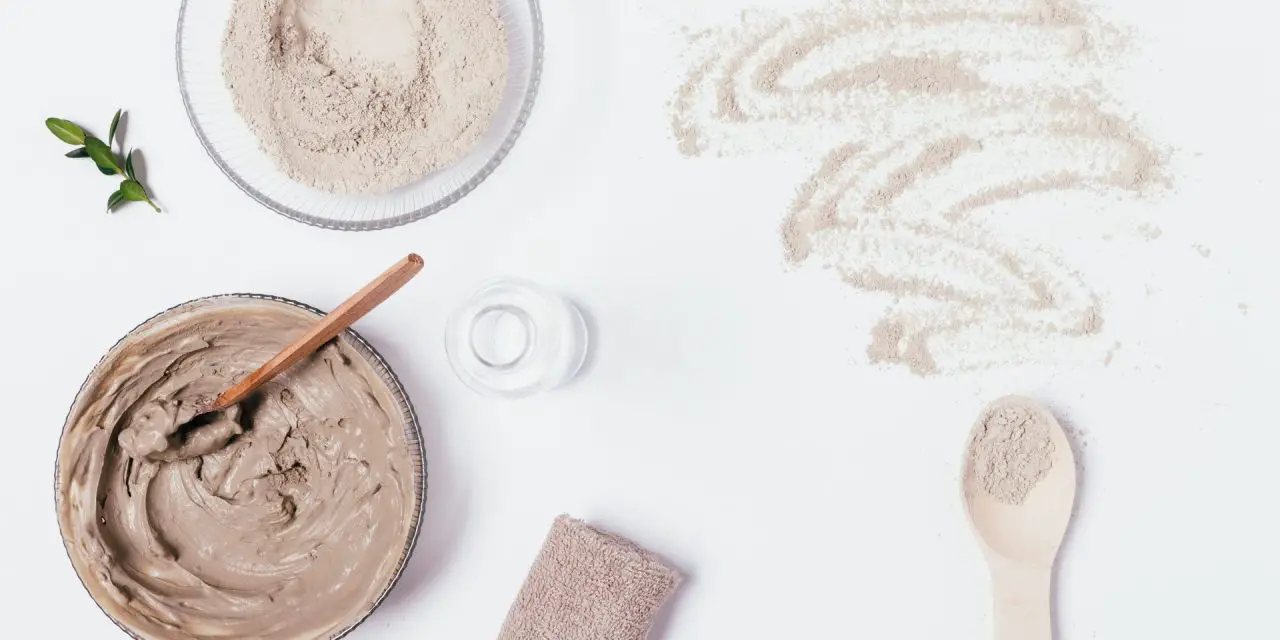
- 2 tablespoons white kaolin clay
- 1 tablespoon rhassoul clay
- 1 teaspoon astragalus root powder
- 1 teaspoon ashwagandha powder
- 1/2 teaspoon licorice root powder
- 2-3 drops lavender essential oil
- Rosewater or filtered water for mixing
The magic in this recipe lies in the combination of traditional clays with adaptogenic herbs. While most DIY masks stop at clay, this formulation taps into the ancient wisdom of adaptogenic plants, creating a treatment that works on multiple levels to enhance skin health.
How to Use the Mask
- Start with clean, slightly damp skin
- In a small bowl, combine 1 tablespoon of the dry mixture with enough rosewater to form a smooth paste
- Apply evenly to face using clean fingers or a brush, avoiding the eye area
- Leave on for 10-15 minutes, or until the mask feels slightly firm but not completely dry
- Remove with warm water using gentle circular motions
- Follow with your regular moisturizer
Pro tip: Don’t let the mask dry completely. This prevents excessive drying and maintains the active benefits of the ingredients.
Why These Ingredients Matter
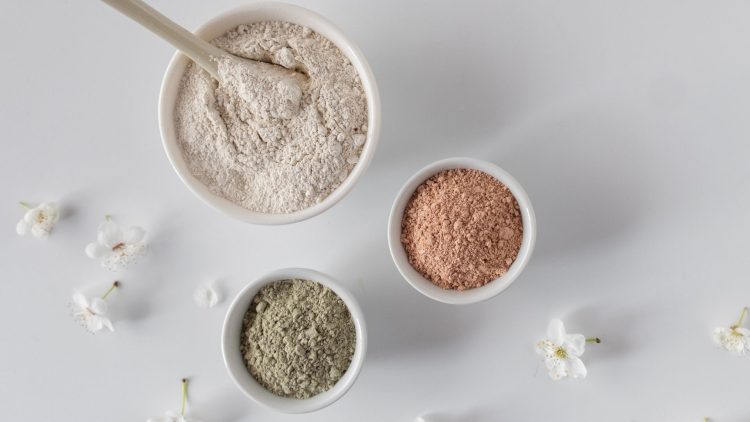
The dual-clay base provides a perfect foundation. Kaolin clay, gentle yet effective, draws out impurities without stripping the skin. Rhassoul clay, sourced from Morocco’s Atlas Mountains, brings a wealth of minerals while helping to balance the skin’s natural oil production.
But the real magic happens with the adaptogens. Astragalus root, traditionally used in Chinese medicine, contains antioxidants that help protect skin cells from environmental damage. Ashwagandha, a cornerstone of Ayurvedic medicine, helps reduce inflammation and combat the effects of stress on the skin. Licorice root adds brightening properties while soothing irritation.
How This Works
Traditional clay masks work primarily through absorption and mineral exchange, but this formulation goes further.
The adaptogens in this mask work at a cellular level, helping skin cells better respond to environmental stressors. Astragalus, for instance, has been shown to promote collagen production, while ashwagandha helps regulate cortisol levels – the stress hormone that can wreak havoc on skin health.
The combination of kaolin and rhassoul clays creates a synergistic effect: kaolin excels at oil absorption and gentle exfoliation, while rhassoul’s unique mineral composition helps improve skin elasticity and texture. This dual-action approach provides immediate benefits while supporting long-term skin health.

- Micro Ingredients pure USDA-certified organic ashwagandha powder. It is derived from authentic ashwagandha root that is sourced from India. A natural adaptogenic ayurvedic that retains a rich source of active withanolides.
Prices pulled from the Amazon Product Advertising API on:
Product prices and availability are accurate as of the date/time indicated and are subject to change. Any price and availability information displayed on [relevant Amazon Site(s), as applicable] at the time of purchase will apply to the purchase of this product.
Yes, You Can Customize This Mask!
For Oily/Acne-Prone Skin
- Add 1/2 teaspoon neem powder
- Increase kaolin clay ratio
- Mix with green tea instead of rosewater
For Dry/Mature Skin
- Add 1/4 teaspoon honey powder
- Increase rhassoul clay ratio
- Include 1/2 teaspoon powdered calendula flowers
For Sensitive Skin
- Omit essential oils
- Add 1/2 teaspoon chamomile powder
- Use coconut milk powder for extra soothing properties
For Brightening
- Add 1/4 teaspoon vitamin C powder (L-ascorbic acid)
- Include 1/2 teaspoon pearl powder
- Mix with yogurt instead of water

Prices pulled from the Amazon Product Advertising API on:
Product prices and availability are accurate as of the date/time indicated and are subject to change. Any price and availability information displayed on [relevant Amazon Site(s), as applicable] at the time of purchase will apply to the purchase of this product.
Seasonal Adaptations
Your skin’s needs change with the seasons, and your mask should too.
Here’s how to adapt this formula throughout the year:
Summer Adjustments
- Increase the ratio of kaolin clay for better oil control
- Add a pinch of peppermint powder for a cooling effect
- Consider mixing with aloe vera juice instead of water
Winter Modifications
- Mix with warm (not hot) liquid for a more comfortable application
- Up the amount of ashwagandha for additional stress protection
- Include marshmallow root powder for extra hydration
When to Use
For optimal results, use this mask 1-2 times per week. It’s particularly beneficial:
- After a stressful day when skin feels dull
- Before special occasions for an immediate glow
- During seasonal changes when skin needs extra support
- As part of a regular self-care routine
Post-Mask Care
The treatment doesn’t end when you wash off the mask. To maximize benefits:
- Apply your regular skincare products while skin is still slightly damp
- Consider using a facial roller or gua sha tool to enhance product absorption
- Pay extra attention to hydration for the next 24 hours
- Avoid harsh exfoliants or active ingredients for the rest of the day
Consistency matters more than frequency. A weekly mask application, done properly and consistently, will yield better results than sporadic treatments.
Storage and Shelf Life
Store the dry mixture in an airtight glass container away from direct sunlight and moisture.
When properly stored, the dry mixture remains stable for up to 6 months.
Always use clean, dry utensils when scooping out the product to prevent contamination.
Here’s What To Do If Something Goes Wrong
Mask Too Dry
If your mask mixture feels too dry or crumbly during application, the solution isn’t simply adding more liquid. Instead, try:
- Adding a drop of organic glycerin to your mixing liquid
- Ensuring your face is properly dampened before application
- Mixing smaller batches to maintain optimal consistency
Mask Too Runny
A mask that’s too thin won’t provide the same benefits. To correct this:
- Add clay gradually while mixing
- Let the mixture sit for 30 seconds between additions
- Remember that different clays have different absorption rates
Uneven Application
Achieving a smooth, even application takes practice. Some tips:
- Use a facial mask brush instead of fingers
- Apply in sections, starting from the center of the face
- Keep a spray bottle of rosewater handy to mist any areas that dry too quickly
Your Skin’s New Secret Weapon
his adaptogenic clay mask represents a bridge between ancient wisdom and modern skincare science, offering a thoughtful approach to skin health that goes beyond surface-level treatment.
Last note – skincare is personal, and this recipe serves as a foundation for experimentation. Don’t be afraid to adjust and modify based on your skin’s response and needs. The best skincare routine is one that evolves with you.