Hey Beautiful! This site is reader-supported and we earn commissions if you purchase products from retailers after clicking on a link from our site.
HOCl has quietly become one of the most talked-about ingredients in skincare, and dermatologists are backing up the hype with real clinical data. But is it worth the counter space, or just another trend riding the algorithm?
What Exactly Is HOCl?
Hypochlorous acid is a compound your immune system already makes. When your white blood cells detect bacteria or viruses, they produce HOCl to help fight them off. It’s part of your body’s built-in defense system, which is a big reason it’s so well tolerated on skin.
Skincare brands recreate this same molecule outside the body using a simple process: electrolyzing a saltwater solution. The result is sometimes labeled “electrolyzed water” and shows up in facial mists, gels, wound sprays, and even household disinfectants.
Because HOCl is something your skin already recognizes, it doesn’t trigger the same irritation that harsher antiseptics like alcohol or benzoyl peroxide can cause.
HOCl vs. Other Common Skincare Actives
| Ingredient | Best For | Drying? | Gentle Enough for Sensitive Skin? |
|---|---|---|---|
| HOCl | Bacteria control, calming inflammation, post-procedure care | No | Yes |
| Witch hazel | Toning, mild astringent effect | Somewhat | Sometimes |
| Rubbing alcohol | Deep cleaning, disinfecting | Yes, significantly | No |
| Benzoyl peroxide | Treating active acne | Yes | Not usually |
| Salicylic acid | Unclogging pores, exfoliating | Can be | Depends on concentration |
This table makes it pretty clear why HOCl has picked up so much attention: it does antimicrobial work without the trade-off of dryness or irritation that comes with a lot of the classic acne-fighting ingredients.
What It Actually Does for Skin
Here’s a quick breakdown of the main benefits, based on dermatology research and clinical use:
| Benefit | What’s Happening |
|---|---|
| Fights acne-causing bacteria | Breaks down bacterial cell walls, including strains linked to breakouts |
| Calms inflammation | Interrupts the immune overreaction behind redness, itching, and flare-ups |
| Supports eczema and psoriasis-prone skin | Reduces bacterial overgrowth without stripping the skin barrier |
| Speeds healing after procedures | Commonly used after microneedling, laser treatments, and light chemical peels to reduce irritation |
| Helps with minor cuts and post-workout breakouts | Reduces bacteria on the skin’s surface without drying it out |
One thing worth noting: HOCl doesn’t exfoliate, and it doesn’t remove excess oil. So if breakouts are being driven by clogged pores or heavy sebum production, HOCl alone won’t solve that. It’s more of a bacteria-control and calming step than a deep-cleaning one.
Who Tends to Benefit Most
HOCl isn’t only for people with visible skin issues. It’s a good fit for a wide range of situations:
- People dealing with active acne or bacterial breakouts
- Anyone with eczema, rosacea, or psoriasis looking for a gentler antimicrobial option
- Post-procedure skin recovering from laser treatments, microneedling, or peels
- Athletes or gym-goers who want to reduce bacteria after sweating
- People with sensitive or reactive skin who can’t tolerate alcohol-based toners
- Anyone touching their face a lot throughout the day (phone skin, mask skin, etc.)
How to Actually Use It (Without Overcomplicating Things)
The nice part about HOCl is that it doesn’t require a whole new routine.
Here’s a realistic way to fit it in:
- Cleanse first. HOCl works on the skin’s surface, so start with a normal cleanse to remove makeup, sunscreen, and dirt.
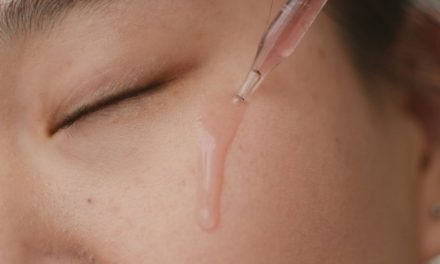
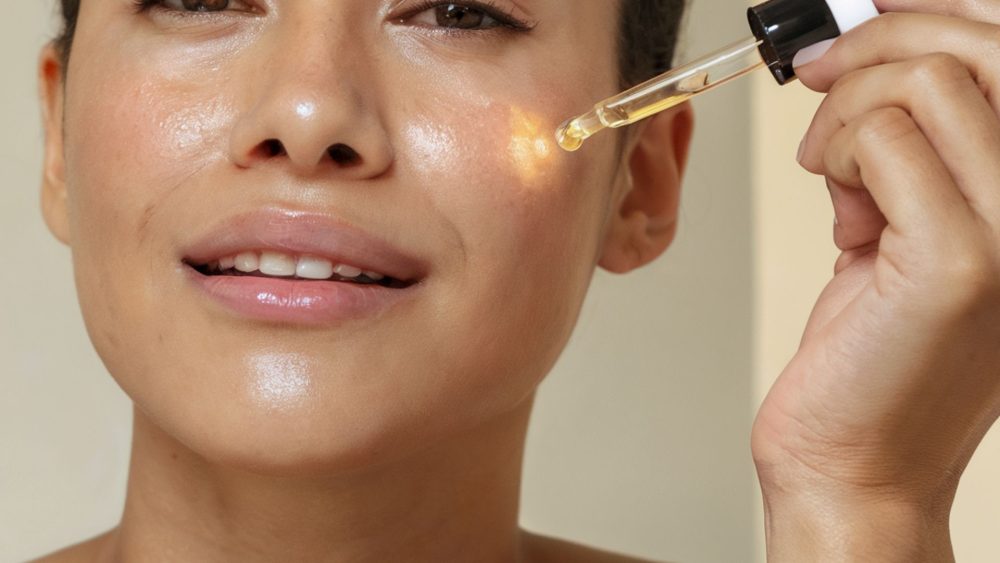
- Mist or apply after cleansing, before moisturizer. Most HOCl products come as a spray or gel. Apply it to clean, slightly damp skin.
- Let it dry on its own. No need to rinse it off. It absorbs quickly since it’s water-based.
- Follow with your regular moisturizer. HOCl doesn’t replace hydration, so don’t skip this step.
- Reapply as needed throughout the day. Because it’s gentle, many people mist it midday over makeup, after a workout, or before bed as an extra layer of bacteria control.
- Use it after procedures if recommended. If you’ve had microneedling, laser treatment, or a peel, ask your provider if a post-care HOCl spray fits into your recovery plan.
There’s no complicated layering order to memorize here. It plays well with most other ingredients, including retinoids, vitamin C, and exfoliating acids, since it’s pH-balanced and non-drying.
Is There a Downside?
HOCl has a strong safety profile, but it’s not entirely risk-free. A few things to keep in mind:
- Concentration matters. Skincare formulas typically use 0.005% to 0.02% HOCl. Higher concentrations aren’t more effective and can increase the chance of irritation.
- Mild reactions can happen. Some people notice slight stinging, redness, or dryness, especially with more concentrated formulas.
- It’s not a stand-alone treatment. HOCl helps manage bacteria and inflammation, but it won’t replace retinoids, salicylic acid, or prescription treatments for moderate to severe acne.
- Patch test if you have very reactive skin. This applies to any new product, but it’s a smart step before using HOCl on compromised or post-procedure skin.
- Check with a dermatologist for chronic conditions. If you’re managing eczema, rosacea, or another ongoing skin condition, it’s worth confirming HOCl fits your existing treatment plan.
How to Choose a Product
Not all HOCl sprays are created equal. When shopping for one, look for:
- A concentration in the 0.01% to 0.02% range
- A pH close to neutral (skin-friendly formulas usually list this)
- Minimal added fragrance or extra actives that could cancel out the gentleness
- Clear expiration guidance, since HOCl can break down over time and lose effectiveness
- Storage in an opaque bottle, since light exposure degrades the compound faster
Worth the Spray?
If your skin deals with occasional breakouts, redness, or general sensitivity, HOCl is a low-risk, easy way to add some extra bacteria control to your routine without adding a harsh step. It won’t replace the actives already doing heavy lifting for you, but as a supporting layer, it earns its spot.
Frequently Asked Questions
Yes. It’s mild enough for daily use, and many people use it multiple times a day without issues.
Yes, HOCl generally layers well with other actives since it doesn’t disrupt the skin barrier or pH balance.
Not exactly. It works best as an added antimicrobial step, not a full replacement for cleansing.
It’s often recommended specifically because it’s gentle, but patch testing is still a good idea for very reactive skin.
Most formulas start losing potency within a few months of opening, so check the label and store it away from direct light and heat.