Hey Beautiful! This site is reader-supported and we earn commissions if you purchase products from retailers after clicking on a link from our site.
“Salmon DNA” for your face sounds like the kind of thing a wellness influencer made up on a slow Tuesday. But PDRN is real, it’s been used in hospitals since the 1980s, and it’s now one of the fastest-growing treatments in dermatology clinics for skin texture, tone, and general repair.
Search interest has spiked, clinics are adding it to their menus next to Botox and fillers, and skincare brands are racing to put it in serums. That kind of sudden popularity usually raises a fair question: is this backed by anything, or is it just a trend riding on a shocking name?
What to Know
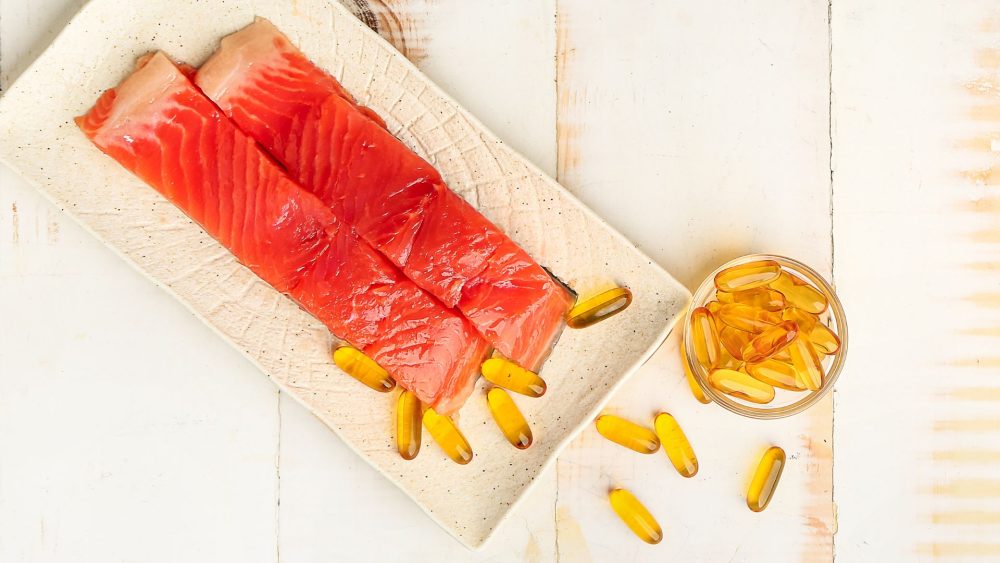
- PDRN (polydeoxyribonucleotide) is a fragment of DNA extracted and purified from the sperm cells of salmon trout or chum salmon.
- It’s been used in medicine since the 1980s for wound healing and tissue repair, long before skincare brands picked it up.
- In the body, PDRN activates a receptor called adenosine A2A, which tells cells to make more collagen, grow new blood vessels, and calm inflammation.
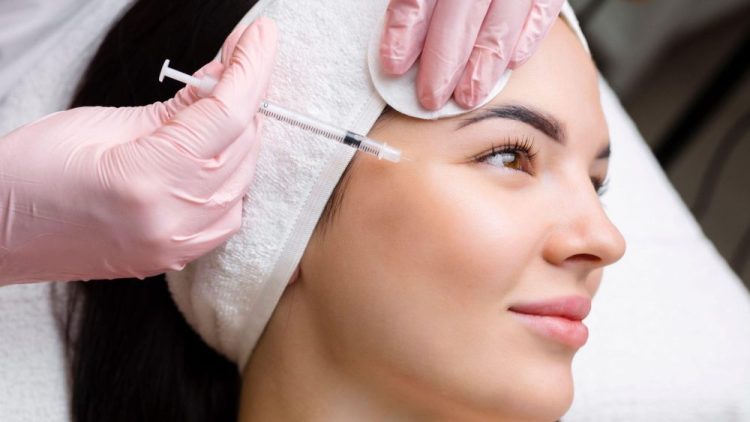
- Clinical research backs it up for wound healing, diabetic ulcers, and skin rejuvenation, mostly through injections done by a professional.
- Topical versions (serums, ampoules) are gentler and lower risk, but they can’t penetrate skin as deeply, so results are milder.
- In the US, injectable PDRN for cosmetic use isn’t FDA-approved, while topical PDRN products are sold legally as cosmetics.
Where PDRN Actually Comes From
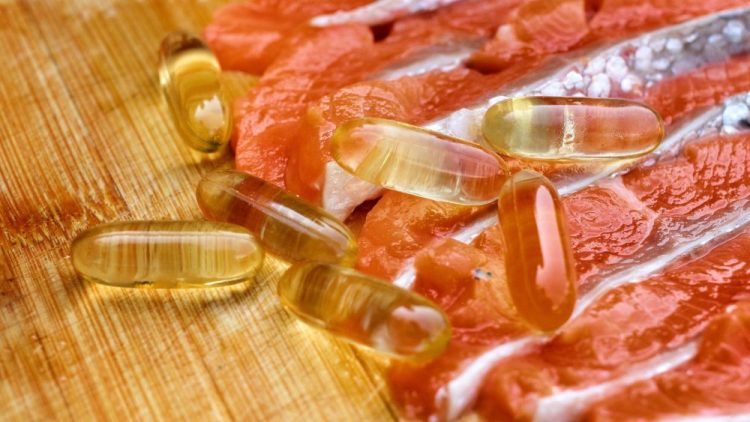
PDRN stands for polydeoxyribonucleotide. Strip away the science-y name and it’s just a chain of DNA fragments, extracted and purified from the sperm cells of Oncorhynchus mykiss (salmon trout) or Oncorhynchus keta (chum salmon).
They have molecular weights typically ranging from 50 to 1,500 kDa derived from a controlled purification and sterilization process of sperm DNA from Oncorhynchus mykiss or Oncorhynchus keta. Some newer versions are also being developed from ginseng root and even microbial sources as alternatives to fish-derived PDRN.
Despite the “salmon sperm” branding you’ll see online, what actually ends up in a syringe or serum bottle is heavily processed and purified. It isn’t raw genetic material sitting on your skin.
PDRN’s medical history goes back further than most people realize. It was originally studied more than 30 years ago for treating radiation-induced tissue damage, with research tracing back to the Chernobyl disaster in 1986.
From there, researchers found it useful for general wound healing, and eventually dermatologists started exploring it for skin rejuvenation and anti-aging.
How PDRN Works on Skin
PDRN doesn’t just sit on the surface acting as a moisturizer.
Its main mechanism involves binding to a receptor on skin cells and triggering a chain of biological responses by promoting the binding of adenosine to A2A receptors, which increases VEGF expression, cell differentiation, fibroblast maturation and collagen synthesis, thus accelerating granulation tissue formation and the repair process.
In plainer terms, here’s what that cascade actually does:
| Mechanism | What it means for your skin |
|---|---|
| Activates adenosine A2A receptors | Kickstarts the skin’s own repair signaling |
| Boosts fibroblast activity | More cells producing collagen and elastin |
| Increases VEGF (angiogenesis) | New blood vessels form, improving circulation and nutrient delivery |
| Reduces inflammatory cytokines | Calms redness and irritation |
| Supplies raw nucleotides | Helps damaged or hypoxic cells rebuild their own DNA and resume normal growth |
One skincare brand, The INKEY List, points to clinical data showing up to a 30% increase in fibroblast proliferation and a 25 to 35% increase in collagen synthesis with PDRN use, which lines up with the general mechanism described in medical literature, even if exact numbers vary by study and formulation.
What PDRN Is Actually Used For
PDRN didn’t start in skincare. It has a fairly long resume in medicine:
- Diabetic foot ulcers and chronic wounds
- Radiation-related tissue damage
- Corneal (eye surface) regeneration
- Rotator cuff and tendon injuries, to reduce pain and improve function
- Vascular insufficiency
In dermatology and aesthetics specifically, it’s now being used for:
- Overall skin rejuvenation and “skin boosting”
- Fine lines and loss of skin firmness
- Acne scars
- Hyperpigmentation and uneven tone
- Hair thinning, particularly female pattern hair loss
- Recovery support after microneedling, lasers, or other procedures
Does PDRN Actually Work? Here’s What the Research Shows
This is where PDRN separates itself from a lot of trending skincare ingredients: there’s real, published research behind it, not just influencer testimonials.
Wound healing. This is the strongest evidence category. Multiple reviews confirm PDRN promotes cell migration, growth, and angiogenesis while reducing inflammation, with proven results on healing time and wound regeneration in lab, animal, and clinical studies.
Skin aging and collagen. Research reviews describe PDRN as promoting angiogenesis, cellular activity, collagen synthesis, soft tissue regeneration, and skin priming, with the ability to also help with hyperpigmentation. Compared to traditional dermal fillers, which mainly add volume, researchers note that polynucleotide-containing products don’t just fill space, they improve tissue regeneration in the damaged environment, leading to more natural results.
Pigmentation. A study using human skin cell cultures found that patients receiving PDRN injections reported improvement in photoaging-related mottled pigmentation, and lab testing on melanocytes backed up an anti-pigmentation effect.
The catch with topical products. Here’s the honest limitation: PDRN molecules are large, and skin is built to keep large molecules out. One 2025 study on plasma-treated PDRN points out that PDRN’s size range prevents passive diffusion across the skin’s outer layer, since efficient passive skin penetration is generally limited to molecules smaller than 500 Da. That means a topical serum, on its own, likely isn’t reaching the deeper skin layers where the real regenerative action happens, unless it’s paired with something that helps it get through, like microneedling.
Injections vs. Topical PDRN: What’s the Real Difference
This is the distinction that matters most when deciding how to actually try PDRN.
| Injectable PDRN | Topical PDRN | |
|---|---|---|
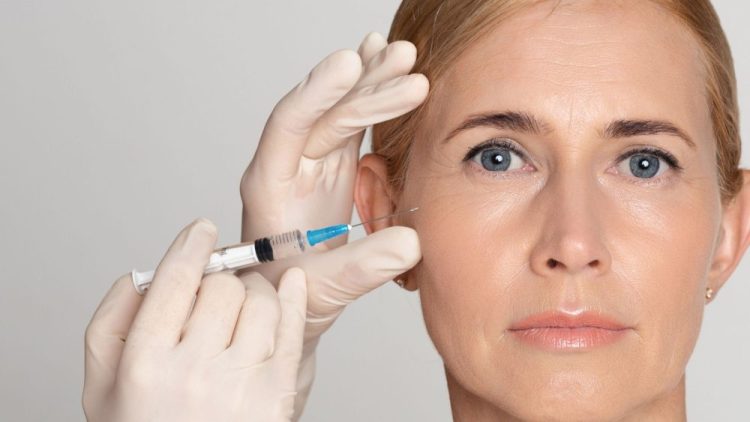
| How it’s delivered | Injected into the dermis by a professional, or via microneedling | Applied as a serum, ampoule, or cream |
| Depth of effect | Reaches deeper skin layers directly | Mostly surface-level, deeper penetration limited by molecule size |
| Results | Stronger, more noticeable collagen and texture changes over weeks | Milder hydration, smoothing, and barrier support |
| Regulatory status in the US | Not FDA-approved for cosmetic use | Sold legally as a cosmetic (no medical claims allowed) |
| Risk level | Higher, since it’s an injection with unregulated sourcing in many cases | Lower, generally well tolerated |
| Best for | People wanting visible rejuvenation results, working with a licensed provider | People wanting a lower-risk way to support skin barrier and hydration |
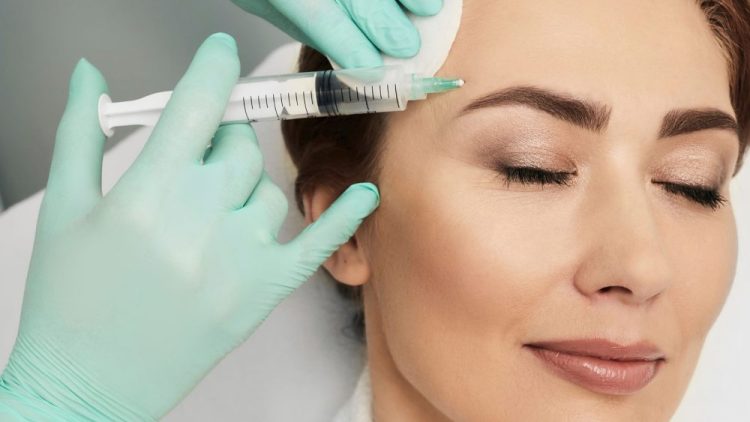
If you’re in the US and considering injectable PDRN, it’s worth knowing that these treatments are not FDA-approved, which means their purity, safety, and effectiveness aren’t federally regulated.
That doesn’t mean every provider offering it is unsafe, but it does mean you’re relying entirely on that clinic’s sourcing and technique rather than a standardized product.
Side Effects and Who Should Be Careful
PDRN has a decades-long safety track record in wound medicine, and research has been reassuring on toxicity. One safety review noted no toxic effects on the brain, liver, lungs, skeletal muscle, or heart at therapeutic doses up to 8 mg per kilogram.
That said, it’s not risk-free, especially with injections. Common, mild side effects include:
- Temporary redness or swelling at injection sites
- Bruising (more likely if you’re on blood thinners, fish oil, or high-dose vitamin E)
- Tenderness or warmth for 24 to 48 hours
- Small bumps at injection points that flatten within a day or so
You should avoid PDRN, or at least talk to a doctor first, if any of these apply to you:
- You have a severe fish or seafood allergy
- You’re pregnant or breastfeeding (limited safety data exists here)
- You have an active skin infection or open wound in the treatment area
- You have a severe inflammatory skin condition that’s currently flaring
How to Actually Try PDRN (Realistically)
If you’re interested in giving it a shot, here’s a practical way to approach it depending on your risk tolerance and goals:
- Start topical if you’re cautious. Look for a PDRN serum or ampoule from a reputable skincare brand. Patch test on your inner arm first if you have sensitive or reactive skin.
- Pair topical PDRN with microneedling for better absorption. Since the molecule is too large to fully penetrate skin on its own, combining it with an at-home dermaroller or a professional microneedling session can help it actually get where it needs to go.
- If you want injectable results, go to a licensed dermatologist or medical aesthetics provider, not a spa or unlicensed injector. Ask directly where their PDRN is sourced and whether it’s a regulated product in your country.
- Give it time. This isn’t an overnight fix. Collagen remodeling and tissue repair happen over weeks, so most protocols involve multiple sessions spaced a few weeks apart, followed by maintenance treatments every few months.
- Skip harsh actives for a few days after any PDRN treatment. Avoid retinoids, AHAs, BHAs, and vitamin C for about three days post-treatment to avoid irritating freshly treated skin.
FAQs
The raw material is derived from salmon sperm cells, but it goes through purification that isolates just the DNA fragments and removes proteins that would trigger allergic reactions. What ends up in the product is a processed DNA extract, not sperm itself.
They do different jobs. Fillers add volume and shape. PDRN focuses on stimulating your skin’s own collagen production and tissue repair. Some providers combine polynucleotide treatments with fillers for both immediate volume and longer-term skin quality improvement.
Most sources describe gradual improvement over weeks as collagen remodeling continues, with results building over a series of sessions. Maintenance treatments are typically recommended every few months to sustain the effect.
People with severe fish or seafood allergies are generally advised to avoid it, since trace proteins can remain even after purification. Newer plant-based and microbial-derived PDRN alternatives are in development for people who want to avoid animal-derived ingredients.
It depends on the form and location. Topical PDRN is sold legally as a cosmetic in the US since cosmetics don’t require FDA approval. Injectable PDRN is not FDA-approved for cosmetic use in the US, though it’s used more widely in countries like South Korea and across parts of Europe under different regulatory frameworks.
It’s been studied for scar treatment and works through the same collagen-stimulating mechanism used for general skin rejuvenation. Results vary by scar type and depth, and it’s often combined with other treatments like microneedling for better outcomes.
Sources for Further Reading
- PDRN Injectables vs. Salmon Sperm Facials — Kormeili Dermatology
- Polydeoxyribonucleotide in Skincare and Cosmetics — J Skin Stem Cell, 2025
- PDRN and Skin Regeneration from Panax Ginseng — PMC
- PDRN: A Promising Biological Platform for Wound Healing — PMC
- Anti-Melanogenesis Properties of PDRN — PMC
- PDRN: A Promising Skin Anti-Aging Agent — ScienceDirect
- Plasma-Engineered PDRN: Nanosizing for Skin Uptake — PMC
- Microbial-Derived PDRN Alternative — PMC
- PDRN in Tendon Disorders: Systematic Review — PMC
- PDRN Benefits and Use — The INKEY List