Hey Beautiful! This site is reader-supported and we earn commissions if you purchase products from retailers after clicking on a link from our site.
If you’ve scrolled TikTok in the last year, you’ve probably seen someone rubbing a frosty green cube across their face before a big event. The trend is called “skin icing,” and the aloe version has racked up millions of views from people swearing it de-puffs their face in minutes.
But before you start freezing your aloe plant into ice cube trays, let’s talk what’s actually happening to your skin and whether the aloe part matters at all.
Easy Answers
Does frozen aloe reduce wrinkles? No. Cold causes a temporary tightening appearance, not an actual reduction in fine lines or wrinkles.
Can I use frozen aloe every day? Occasional use is generally fine for most skin types, but daily use isn’t necessary for results and may irritate sensitive or dry skin over time.
Is fresh aloe better than store-bought gel for this? Fresh aloe straight from the plant is usually purer, but make sure to remove the yellow latex layer just under the skin, which can be irritating. Store-bought gel works fine as long as it’s free of added alcohol or fragrance.
How long do the effects last? Typically a few minutes up to about an hour, depending on your skin and how puffy or inflamed the area was to begin with.
What Is the Frozen Aloe Cube Trend?
The routine itself is simple, which is a big part of why it spread so fast online.
Here’s the basic version people are following:
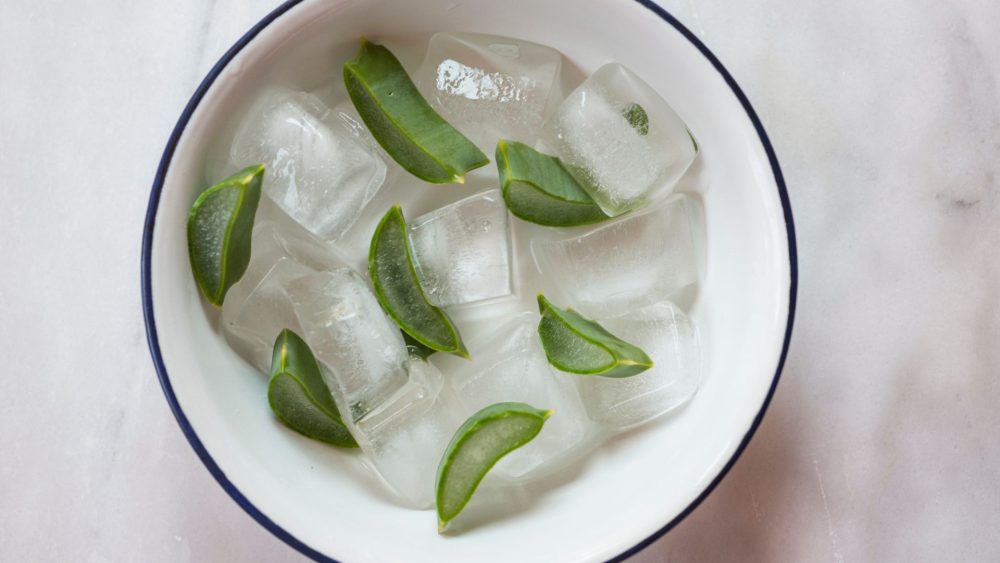
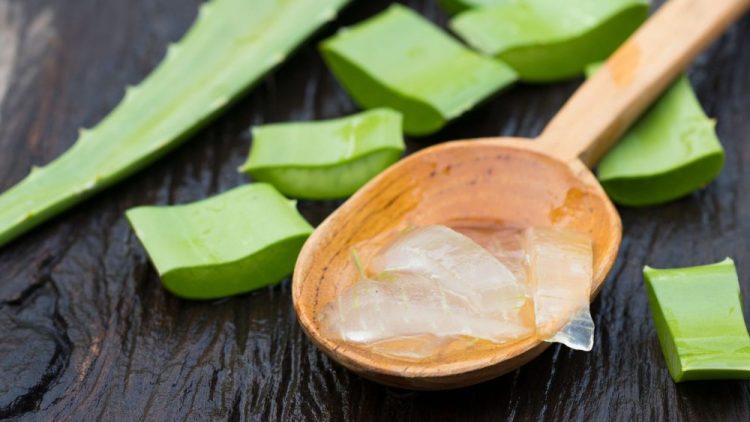
- Blend or scoop pure aloe vera gel (fresh from the plant or a store-bought gel with minimal additives)
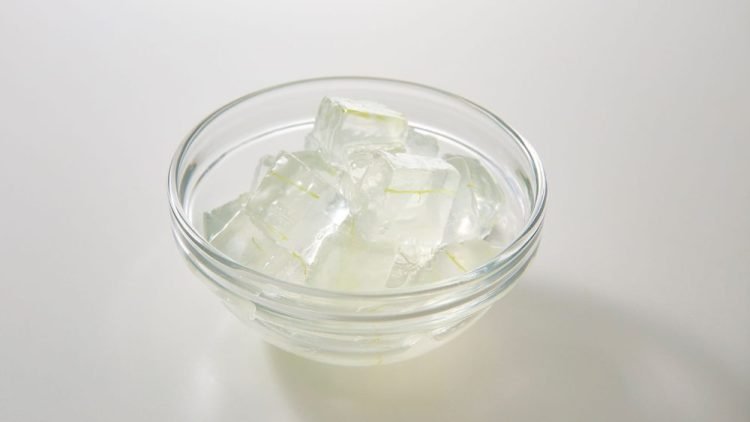
- Pour it into an ice cube tray and freeze until solid
- Glide a cube gently over clean, dry skin for 30 seconds to a couple of minutes, focusing on puffy or red areas
People typically do this first thing in the morning, after a workout, or before applying makeup, when puffiness and redness tend to be most noticeable.
What People Claim It Does
The main benefits circulating online fall into three categories:
- Temporary de-puffing — a tighter, less swollen look around the eyes and cheeks
- Cooling sensation — an immediate, refreshing feeling on the skin
- Reduced redness — calmer, more even-toned skin right after use
These effects are real and reported by a lot of users. The question is what’s actually causing them.
The Real Reason It Works: It’s the Cold, Not the Aloe
Here’s the part most viral videos leave out: the results people notice come almost entirely from the temperature, not from any special property of aloe once it’s frozen.
Cold causes blood vessels near the surface of your skin to constrict, a process called vasoconstriction. That’s what temporarily reduces puffiness and calms visible redness. It’s the same reason a cold spoon, an ice roller, or a plain ice cube produces similar results. Aloe vera does have genuine skin benefits when applied at room temperature (it’s soothing, lightly hydrating, and has mild anti-inflammatory properties), but freezing doesn’t add new powers to it. If anything, extreme cold can dull some of the delicate compounds in aloe over time.
So the aloe cube isn’t doing something a plain ice cube can’t do. It’s mainly a nicer-smelling, slightly less messy way to apply cold to your face.
Frozen Aloe vs. Other Cold Skincare Tools
| Method | Cooling Effect | Added Skin Benefit | Mess Level | Cost |
|---|---|---|---|---|
| Frozen aloe cube | High | Mild (from aloe residue) | Medium (drips as it melts) | Low |
| Plain water ice cube | High | None | Medium | Free |
| Jade or ice roller | Medium | None | Low | Low-Medium |
| Chilled facial spray | Low-Medium | Depends on formula | Low | Low-Medium |
| Cryo facial tool | High | None | Low | Higher |
As the table shows, the cooling effect across most of these methods is fairly similar. The main differences come down to convenience, mess, and cost, not skin outcomes.
How to Try It Safely
If you want to give frozen aloe cubes a try, a few precautions make a real difference in how your skin responds.
- Never apply ice directly to bare skin for too long. Wrap the cube in a thin, clean cloth or paper towel, or limit direct contact to short passes of a few seconds at a time.
- Keep sessions short. 30 seconds to 2 minutes total is enough to get the cooling effect. Longer than that raises the risk of irritation or a mild cold burn.
- Move the cube, don’t hold it still. Gliding it in slow circles prevents any one area from getting too cold for too long.
- Patch test first. Pure aloe can occasionally cause a reaction, especially in people sensitive to plants in the lily family. Test on a small area of skin before using it on your whole face.
- Use pure aloe gel. Skip versions with added alcohol, fragrance, or coloring, since freezing can make irritants feel more intense against sensitive skin.
- Avoid open cuts, active breakouts, or sunburned skin. Cold can feel good on inflamed skin but may aggravate broken or damaged skin.
Who Should Be Careful Doing This
A few groups should check with a dermatologist before trying this trend:
- People with rosacea, since cold exposure can sometimes trigger flare-ups in sensitive cases
- Anyone with Raynaud’s phenomenon or poor circulation in the face
- People with known aloe allergies or sensitive, reactive skin
- Anyone with an active skin infection or eczema flare
Does It Actually Reduce Puffiness Long-Term?
No, and this is the part that gets lost in a 15-second video. The de-puffing and redness reduction are temporary, usually lasting anywhere from a few minutes to about an hour. Cold treatments don’t change your skin’s underlying structure, drain fluid permanently, or provide any lasting anti-aging effect. Think of it as similar to how a cold pack reduces swelling from a bump. Once your skin returns to normal temperature, blood flow returns and puffiness can come back.
That doesn’t mean it’s not worth doing. As a quick pick-me-up before photos, a video call, or a night out, it’s a low-cost, low-risk option. Just don’t expect it to replace things that create actual long-term change, like sleep, hydration, reducing sodium intake, or addressing allergies that cause puffiness in the first place.
A Simpler Way to Get the Same Result
If the appeal is mainly the visible, immediate effect, you don’t need to blend and freeze aloe to get it. Any of these achieve nearly the same outcome:
- Plain frozen water cubes wrapped in cloth
- A jade roller or gua sha tool stored in the fridge
- A chilled metal spoon
- A cold, damp washcloth left in the freezer for 10 minutes
Aloe adds a pleasant, slightly soothing feel and a bit of hydration on top of the cold, which is a nice bonus. It’s just not the reason the trend works.