Hey Beautiful! This site is reader-supported and we earn commissions if you purchase products from retailers after clicking on a link from our site.
Your feed is probably full of glowing (literally) faces wrapped in a light-up mask that looks like it was borrowed from a sci-fi set. LED face masks have gone from dermatologist-office treatment to a $50-to-$2,000 purchase you can make from your couch. But before you drop money on one, it’s worth asking the obvious question: do these things actually do anything, or is this just another skincare trend riding on good marketing?
The short answer: yes, LED masks can work, but “work” comes with real limits, a real timeline, and a real dependence on you actually using the thing consistently.
What LED masks are supposed to do
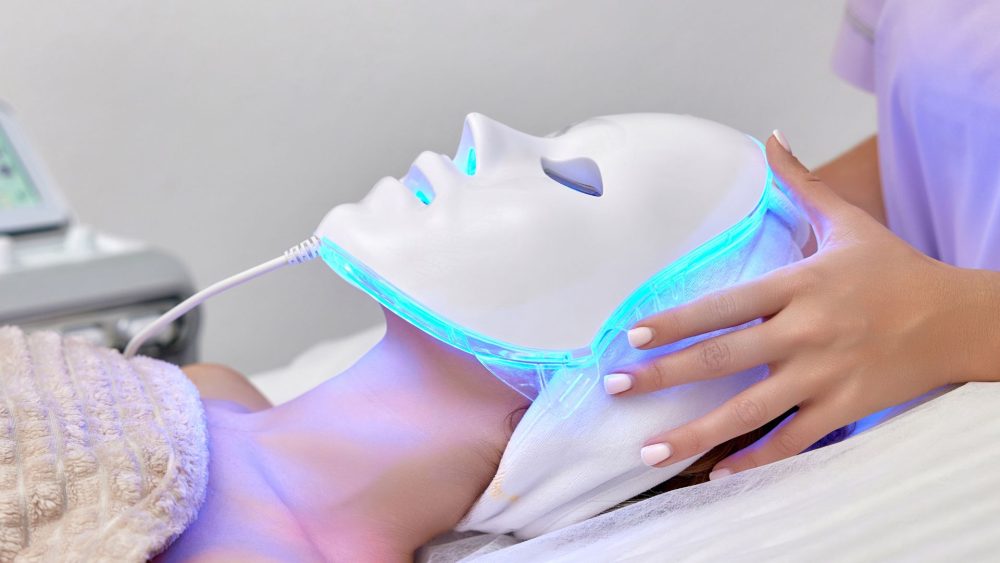
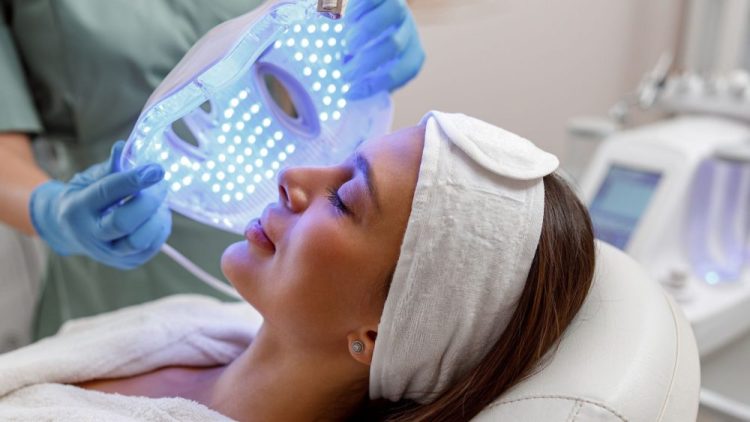
LED masks use light-emitting diodes to send specific wavelengths of light into your skin. No heat, no needles, no chemical peel burn. The light triggers reactions inside your skin cells that can encourage collagen production, calm inflammation, or target acne-causing bacteria, depending on the color.
This isn’t a new idea. Dermatology offices have used light therapy for years. What changed is that the technology got small enough and cheap enough to strap onto your own face at home.
The colors actually mean something
Not every light does the same job. Here’s a quick rundown of what each color is generally used for:
| Light color | Wavelength range | What it’s used for |
|---|---|---|
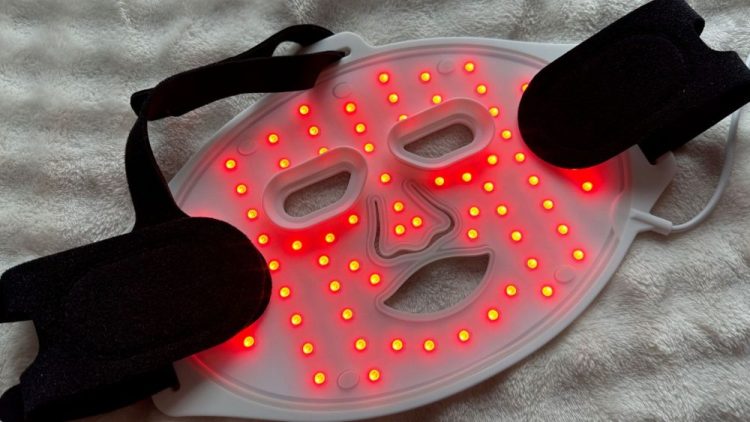
| Red | ~600–660 nm | Collagen stimulation, fine lines, overall skin tone |
| Near-infrared | ~800–860 nm | Deeper tissue repair, often paired with red light |
| Blue | ~405–420 nm | Killing acne-causing bacteria, oil control |
| Amber/Yellow | ~570–590 nm | Redness and mild inflammation |
Red and near-infrared are the combo you’ll see backed by the most research, particularly for fine lines, texture, and that overall “tired skin” look. Blue light has decent support for mild acne. Claims around melasma and stubborn hyperpigmentation are shakier territory, and the research there is still catching up to the marketing.
What the studies actually show
This is where it gets more interesting than a typical skincare debate, because LED masks have actually been through real clinical testing, including randomized, double-blind trials with sham devices for comparison.
A few things researchers have found:
- A 2025 randomized, sham-controlled trial testing a home-use red and near-infrared mask on crow’s feet found measurable improvement in wrinkle depth and skin texture after 12 weeks of daily use.
- Earlier studies on similar devices showed wrinkle depth starting to improve around 28 days in, with continued gains through 84 days, alongside increases in dermal density (a marker tied to collagen).
- Manufacturer-funded clinical trials on popular consumer masks reported meaningful improvements in elasticity, hydration, and wrinkle appearance after 8 weeks of regular use, several times a week.
- A 2025 dermatology consensus reviewed red light photobiomodulation and confirmed it doesn’t cause DNA damage in adult skin, which is a reassuring safety note given how often “is this safe” comes up.
So the science isn’t nothing. It’s genuinely there. The catch is in the details below.
The catch: at-home masks are weaker than the ones in a derm’s office
Here’s the part the marketing tends to skip over. The strength of light therapy is measured in irradiance, basically how much energy is hitting your skin per second. Clinical-grade devices used in dermatology offices typically deliver 100+ mW/cm² of irradiance. Most consumer LED masks deliver somewhere around 20 to 40 mW/cm², and a lot of brands don’t even publish their numbers.
That doesn’t mean home masks are useless. It means:
- You need more sessions over more time to see the same kind of results a stronger clinical device could produce faster.
- Not every mask on the market is delivering a dose strong enough to do much at all.
- A device that hides its irradiance and dosage numbers is a red flag worth noticing.
If a brand is proud of its output, they’ll tell you. If they’re vague, ask why.
How long before you actually see a difference
Nobody puts on an LED mask once and wakes up looking ten years younger. Based on the clinical trials that exist, here’s a realistic timeline for consistent use (most protocols call for 3 to 5 sessions a week):
| Timeframe | What you might notice |
|---|---|
| 2 weeks | Slightly calmer, less reactive skin; minimal visible change |
| 4 weeks (28 days) | Early softening in fine lines, subtle improvement in texture |
| 8 weeks | More noticeable brightness, plumpness, and firmness |
| 12 weeks | The most consistent, measurable results across studies |
The pattern across nearly every trial is the same: consistency matters more than any single feature the mask has. Skipping weeks, using it sporadically, or expecting instant results is the fastest way to be disappointed.
Is it safe?
Generally yes, with a couple of things to actually pay attention to:
- Eye protection matters, especially with blue light. There’s at least one documented case of eye injury linked to a blue LED mask being used without proper goggles. If your mask comes with eye protection, use it every time.
- Look for FDA clearance. This gets confused a lot, so here’s the real distinction: FDA “approval” means a device went through extensive testing to prove it’s safe and effective. FDA “clearance” means the device was reviewed and found similar enough to an already-approved device on the market. Most LED masks are FDA cleared, not approved, and dermatologists generally say clearance is the baseline you want to see before buying.
- Skin irritation is possible but uncommon, and tends to show up with overuse or with people who have sensitive or reactive skin.
- If you’re on medication that increases photosensitivity, or you have a condition like lupus, check with a doctor before starting.
Who’s likely to notice results, and who probably won’t
More likely to see a difference:
- People targeting early fine lines, mild texture issues, or dullness
- Anyone with mild to moderate acne trying blue light
- People willing to commit to 8 to 12 weeks of consistent use
Less likely to see much:
- Anyone expecting results after a handful of uses
- People hoping to treat deep wrinkles, significant sagging, or melasma
- Anyone buying a cheap, unbranded mask with no published specs or FDA clearance
A realistic, doable way to actually use one
If you already own a mask or you’re about to buy one, here’s a simple plan that lines up with what the research actually tested:
- Pick a schedule you can stick to. Three to five sessions a week beats seven if seven means you’ll quit after two weeks.
- Cleanse skin first, no makeup or SPF underneath. Light needs a clear path to your skin.
- Wear the eye protection every single time, no exceptions, even if it’s annoying.
- Follow the treatment time on the box. More minutes doesn’t mean better results, and overuse can actually blunt the benefits.
- Take a “before” photo in the same lighting so you’re not relying on memory to judge progress.
- Check back in at 4 weeks, then 8, then 12. That’s the timeline the actual studies use, so it’s the fairest way to judge your own results.
- Pair it with daily sunscreen. None of this works as damage control if you’re undoing it with sun exposure.
So, worth the money or not?
LED masks aren’t a scam, and they aren’t magic either.
The research backing red and near-infrared light for fine lines and texture is solid, and blue light has real support for mild acne. What makes the difference between a mask that’s worth the money and one that’s a glorified nightlight comes down to three things: a device with published, decent irradiance numbers, FDA clearance, and your own willingness to actually use it three or more times a week for at least two to three months.
If you’re expecting overnight transformation, skip it. If you’re looking for a slow, steady improvement in texture and tone that stacks on top of a decent skincare routine, it’s one of the more evidence-backed gadgets in a category full of hype.