Hey Beautiful! This site is reader-supported and we earn commissions if you purchase products from retailers after clicking on a link from our site.
That deep, sore bump on your chin that shows up the same week every month? It follows a pattern, and you can plan around a pattern. A solid hormonal acne routine pairs gentle daily skin care with a few proven active ingredients, then times a few extra moves around your cycle.
What Is Hormonal Acne?
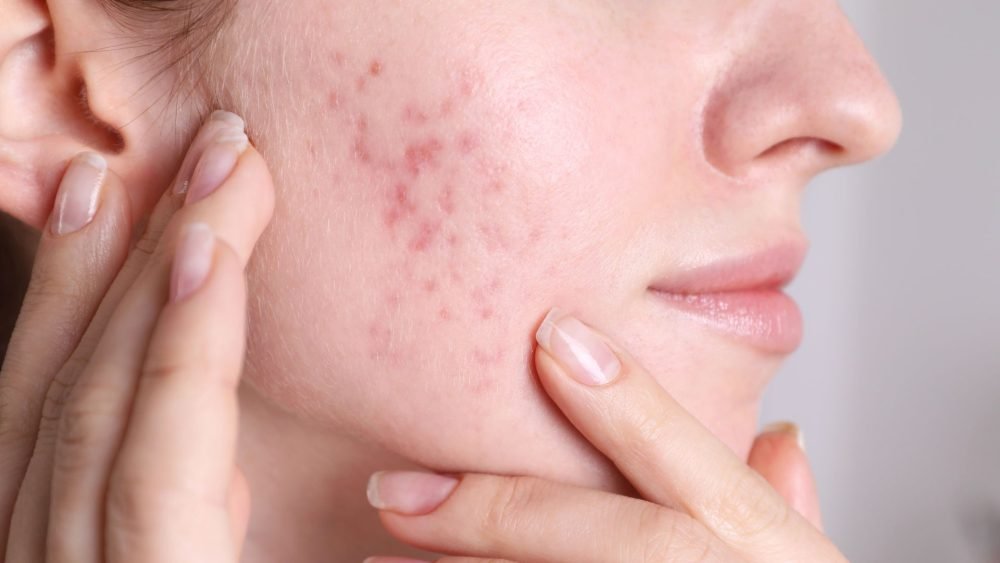
Hormonal acne is acne driven mostly by androgens, a group of hormones (testosterone is the best known) that everyone makes. When androgen activity rises, your oil glands pump out more sebum. That extra oil mixes with dead skin cells, clogs pores, and gives acne bacteria a cozy place to multiply. Inflammation follows, and so does the sore bump.
And it’s far from a teen-only problem:
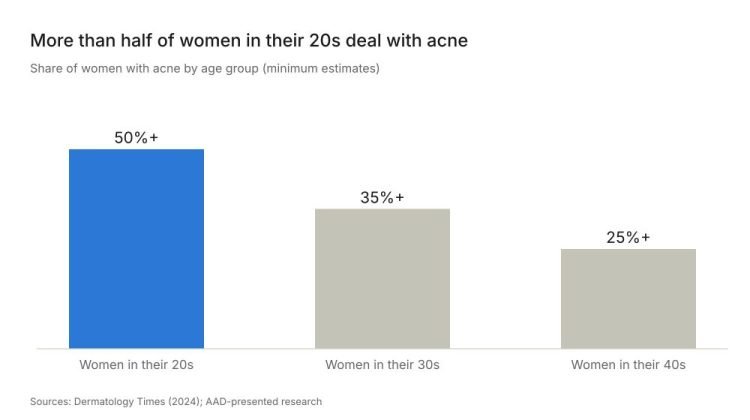
Those figures come from recent data on adult female acne and AAD-presented research on acne in women over 20. After age 20, women report acne far more often than men do.
Common Hormonal Acne Triggers
- The week or so before your period
- Pregnancy and the months after giving birth
- Starting, switching, or stopping hormonal birth control
- Perimenopause and menopause, when adult-onset acne is most common
- PCOS and other conditions that raise androgen levels
- Ongoing stress, which nudges hormones in the same direction
Signs Your Breakouts Are Hormonal
No single test confirms hormonal acne, but a few clues show up again and again. If three or more of these sound familiar, hormones are probably part of the story:
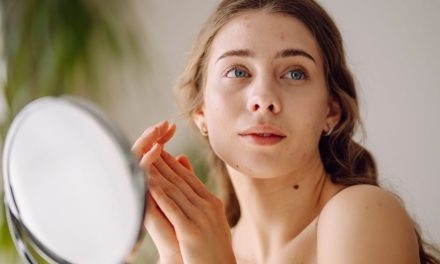
- Location: Breakouts cluster on your chin, jawline, around your mouth, or down your neck.
- Timing: Flares land in the week before your period. A clinical trial on adult female acne notes that more than 60% of women get a premenstrual flare-up.
- Texture: You get fewer but deeper bumps that feel tender under the skin and take a week or more to fade.
- Age: Acne started or stuck around after 25.
- Other body clues: Irregular periods, extra facial or body hair, or thinning hair on your scalp. These can point to polycystic ovary syndrome (PCOS), so mention them to your doctor.
Hormonal Acne vs. Teen Acne
| Teen acne | Adult hormonal acne | |
|---|---|---|
| Where it shows up | Forehead, nose, cheeks (T-zone) | Chin, jawline, around the mouth, neck |
| What it looks like | Lots of blackheads, whiteheads, small bumps | Fewer, deeper, tender bumps and cysts |
| When it flares | Fairly steady | Often the week before your period |
| Skin type | Usually oily all over | Oily in spots, dry or sensitive elsewhere |
| What helps most | Topicals, sometimes antibiotics | Gentle topicals plus hormone-targeting treatment |
Your Morning Hormonal Acne Routine
Mornings are about protection, so keep it to four quick steps. Adult skin tends to run drier and more reactive than teen skin, and the American Academy of Dermatology points out that dry skin makes topical acne treatments more irritating. Fewer products, used every day, beat a ten-step lineup you abandon in a week.
| Step | What to use | Why it’s there | Label tip |
|---|---|---|---|
| 1. Cleanse | Gentle, low-foam cleanser | Clears overnight oil without stripping your barrier | Fragrance-free |
| 2. Treat | Azelaic acid (10% to 15%) or niacinamide serum | Calms redness, steadies oil, fades leftover marks | Azelaic acid is a common pick during pregnancy |
| 3. Moisturize | Lightweight gel-cream | Keeps skin comfortable so your actives don’t sting | Non-comedogenic |
| 4. Protect | Broad-spectrum SPF 30 or higher | Acne treatments raise sun sensitivity, and UV darkens post-acne marks | Oil-free or mineral |
Got oily skin or lots of red bumps? Swap step 1 for a benzoyl peroxide wash (2.5% to 5%) a few mornings a week. Let it sit for a minute or two before rinsing, and use a white towel, since it bleaches fabric.
Quick label check: The AAD’s guide to adult acne and pore-clogging products suggests looking for “non-comedogenic,” “non-acnegenic,” or “oil-free” on every skin and hair care product you use. Yes, that includes your conditioner.
Your Evening Hormonal Acne Routine
Night is when the heavy lifting happens. Your skin repairs itself while you sleep, and that’s the best time for a retinoid.
- Remove makeup and sunscreen. Start with micellar water or a non-comedogenic cleansing balm.
- Cleanse. Follow with the same gentle cleanser from the morning.
- Apply a retinoid. Over-the-counter adapalene 0.1% gel is the go-to. Use a pea-sized amount on dry skin and spread it over your whole lower face, not just on spots. Retinoids work by keeping pores from clogging in the first place, so they need to cover the areas where breakouts start.
- Moisturize. A plain, fragrance-free moisturizer seals everything in.
- Spot treat (optional). Dab 2.5% benzoyl peroxide on any active, inflamed bumps.
Retinoid Ramp-Up Schedule
Jumping straight to nightly use is the fastest way to a red, flaky face. Ease in instead:
| Weeks | How often | Tip |
|---|---|---|
| 1 to 2 | 2 nights a week | Stinging? Apply moisturizer before and after (the “sandwich” method) |
| 3 to 4 | Every other night | Light flaking is normal |
| 5 and up | Nightly, if your skin feels comfortable | Skip a night when redness lingers |
Pregnant or trying to conceive? Skip retinoids and talk to your doctor about safer swaps like azelaic acid.
Hormonal Acne Ingredient Cheat Sheet
Shopping the skin care aisle gets a lot easier when you know what each ingredient does. Here’s how the heavy hitters stack up:
| Ingredient | What it does | Best for | Heads-up |
|---|---|---|---|
| Adapalene (retinoid) | Unclogs pores and speeds up cell turnover | Clogged pores, recurring bumps | Dryness in the first month; avoid in pregnancy |
| Benzoyl peroxide | Kills acne bacteria | Red, inflamed breakouts | Bleaches towels and pillowcases |
| Salicylic acid | Dissolves oil inside pores | Oily skin, blackheads | Can over-dry when paired with a retinoid |
| Azelaic acid | Calms inflammation, fades dark marks | Sensitive skin, post-acne marks | Mild tingling at first |
| Niacinamide | Soothes redness, supports the skin barrier | Combination or sensitive skin | Rarely irritating |
| Clascoterone (prescription) | Blocks androgens right at the oil gland | Hormonal breakouts, ages 12 and up | Mild redness or dryness |
That last one is worth knowing about. Clascoterone cream is the first topical androgen receptor inhibitor approved for acne, which means it targets hormones in the skin without acting on the rest of your body.
What to Skip
- Gritty scrubs and harsh exfoliants. They irritate inflamed skin and can spread bacteria.
- Heavy oils on your face, like coconut oil, which can clog pores.
- Squeezing deep bumps. Cysts sit too far down to pop, and pressing on them raises your odds of scarring.
- Piling on actives. A retinoid, an acid, and benzoyl peroxide all at once usually ends in a damaged barrier, which leads to more breakouts.
- Switching products every week. Most acne treatments need 8 to 12 weeks to show what they can do.
Sync Your Routine With Your Cycle
Your core routine stays the same all month. What changes is a few small add-ons timed to where you are in your cycle, so you’re a step ahead of the flare instead of chasing it.
| Phase | Approx. days | What your skin is doing | Routine moves |
|---|---|---|---|
| Menstrual | 1 to 5 | Hormones are low; skin can feel dry and sensitive | Lean into moisturizer; keep your retinoid going |
| Follicular | 6 to 13 | Estrogen climbs; skin is usually at its calmest | Best window to patch-test a new product |
| Ovulation | Around 14 | Estrogen peaks with a small testosterone bump | Add a salicylic acid wash if you get oily |
| Luteal | 15 to 28 | Oil production tends to rise and pores look bigger | Stay consistent; keep benzoyl peroxide spot treatment on hand for days 21 to 28 |
These days are based on a 28-day cycle, so shift them to match yours. Log your period and jot a quick note about your skin in a tracking app. After two or three months, your personal flare window will be easy to spot.
What Actually Moves the Needle
Skin care does most of the work, but daily habits can turn the volume on breakouts up or down.
Go easy on blood sugar spikes. Foods that send blood sugar soaring (white bread, sugary drinks, pastries) raise insulin, which can push oil glands into overdrive. In a 12-week trial of a low-glycemic diet for acne, the low-glycemic group saw nearly double the drop in breakouts:
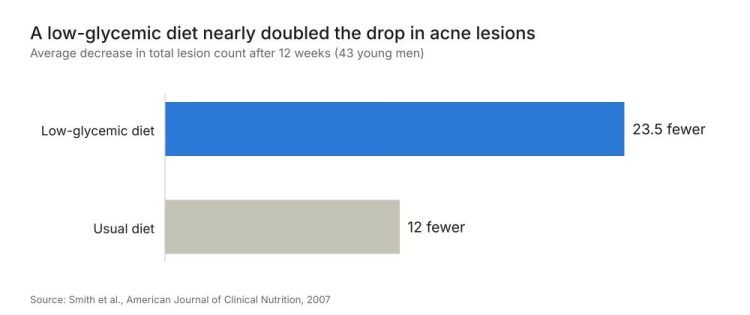
A follow-up trial in Korean patients with mild to moderate acne found fewer inflamed and non-inflamed lesions on a low-glycemic diet too. Both studies were small, and the first one only included young men, but the advice is low-risk: build meals around protein, fiber, beans, vegetables, and whole grains.
Run a dairy experiment. Some people notice milk, skim in particular, lines up with their breakouts. Try six weeks without it and see what your skin tells you.
Manage stress where you can. Stress hormones can push androgen activity higher. A daily walk, a steady bedtime, or ten minutes of anything that calms you down all count.
Mind your pillowcase and phone. Swap pillowcases twice a week and wipe your phone screen often, since both rest right on your jawline.
When Your Routine Needs Backup (Prescription Treatments)
Give your routine a fair three months. If breakouts haven’t eased by then, or you’re getting painful cysts or scarring, book a dermatologist visit. Hormonal acne often needs treatment that works from the inside, and adult women in particular tend to find their acne doesn’t respond well to conventional therapies alone.
| Treatment | How it works | Good to know |
|---|---|---|
| Spironolactone | Blocks androgen effects on oil glands | Daily pill, used off-label for acne; not safe during pregnancy |
| Combined birth control pills | Lowers circulating androgens | Your doctor screens for blood clot risk first |
| Clascoterone cream | Blocks androgen receptors in the skin | Approved in 2020 for ages 12 and up |
| Prescription retinoids (tretinoin, tazarotene) | Stronger pore-clearing than OTC adapalene | More irritating; avoid in pregnancy |
| Isotretinoin | Shrinks oil glands long-term | Saved for severe or scarring acne; strict pregnancy prevention rules |
Why Dermatologists Like Spironolactone
The research behind this one has grown a lot. A randomized trial comparing spironolactone with doxycycline in 133 women with moderate acne found spironolactone was 2.87 times more successful than the antibiotic at six months, and patients tolerated it well. A review of 110 women taking spironolactone found most saw dramatic improvement, and only six stopped because of side effects. Even low doses paired with benzoyl peroxide have been studied as a gentler starting point.
As for the pill, the FDA-approved birth control options for acne combine ethinyl estradiol with norgestimate, norethindrone acetate, or drospirenone. Many dermatologists pair a pill with spironolactone for stubborn cases.
How Long Until You See Results?
Patience is half the routine. Here’s a realistic timeline so you don’t quit right before things turn around:
| Timeframe | What to expect |
|---|---|
| Weeks 1 to 4 | Skin adjusts to your retinoid; some dryness and a few new bumps are normal |
| Weeks 4 to 8 | Fewer new breakouts and less redness |
| Weeks 8 to 12 | Clear progress; this is the point to judge your routine |
| Months 3 to 6 | Prescription hormonal treatments hit their stride. In the spironolactone vs. doxycycline trial, results kept improving through month six |
Snap a photo in the same lighting every two weeks. Day-to-day changes are hard to see in the mirror, and photos keep you honest.
Hormonal Acne FAQs
A simple one you’ll stick with: gentle cleanser, azelaic acid or niacinamide, moisturizer, and SPF in the morning, then cleanser, adapalene, and moisturizer at night. Add benzoyl peroxide spot treatment during your premenstrual week.
Sometimes. Acne tied to a life stage, such as postpartum or stopping birth control, can settle once hormones level out. For many adults it hangs around for years without treatment, so a steady routine is still worth starting.
Both can happen. Combined pills that contain estrogen often improve acne, while progestin-only options (some IUDs, implants, and the mini-pill) can make it worse for some people. Coming off the pill can also trigger a flare for a few months.
Not always, but it can be. Acne paired with irregular periods, extra hair growth, or scalp hair thinning is worth a conversation with your doctor, who may order blood work.
You can, but retinol is weaker and has less acne research behind it. Adapalene 0.1% is sold over the counter and was developed specifically for acne, so it’s the stronger first pick.
Azelaic acid is a common choice, and many doctors allow low-strength benzoyl peroxide. Skip retinoids, spironolactone, and isotretinoin, and run every product past your OB or dermatologist.
Hands off first. A warm compress a few times a day can ease pain, and a hydrocolloid patch keeps you from picking. For a big, painful cyst before an event, a dermatologist can inject a small dose of cortisone that often flattens it within a day or two.
Yes. Androgens drive acne in everyone, and men can have jawline and back breakouts too. Topicals and clascoterone work for men, while spironolactone and birth control pills are generally used only for women.
Go if three months of a consistent routine hasn’t helped, if you’re getting deep cysts or scars, or if acne is wearing on your mood and confidence. You don’t need to wait until it’s “bad enough.”