Hey Beautiful! This site is reader-supported and we earn commissions if you purchase products from retailers after clicking on a link from our site.
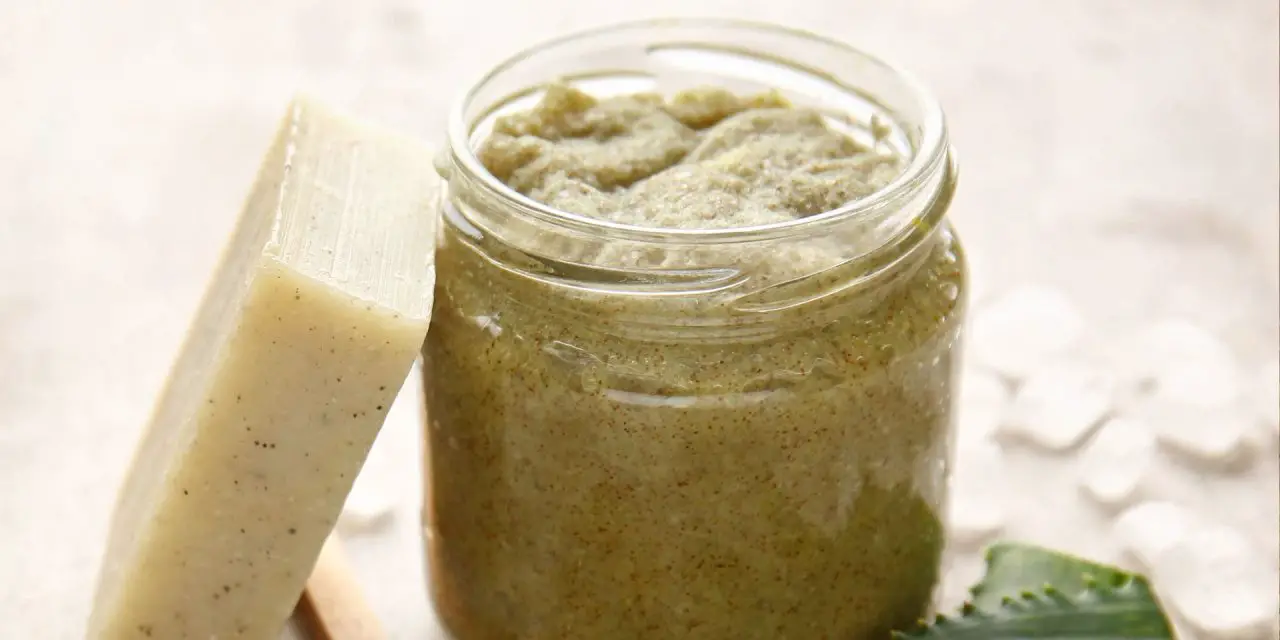
Walk down any beauty aisle and you’ll find dozens of lip scrubs promising transformation – each housed in a diminutive jar with a hefty price tag. Yet the secret to genuinely revitalized lips isn’t hiding behind sleek packaging or marketing buzzwords. Our post today strips away the mystery and marketing to reveal how simple, kitchen-sourced ingredients can create a lip care solution that outperforms mass-produced alternatives.
Why Make Your Own Lip Scrub?
The skin on our lips is uniquely delicate, lacking the oil glands present in the rest of our skin. This makes lips particularly susceptible to dryness, flaking, and environmental damage.
Commercial lip scrubs indeed address these issues, though crafting your own brings numerous advantages:
Control Over Ingredients
Commercial lip scrubs often contain preservatives, artificial fragrances, and synthetic colorants. Creating your own allows complete control over what touches your lips. This is particularly crucial since we inadvertently ingest small amounts of lip products throughout the day.
Cost-Effectiveness
A typical high-end lip scrub costs between $15-30 for a mere 0.5 oz. The recipe provided here creates approximately 2 oz of product for less than $5, using ingredients that can be employed in multiple DIY beauty preparations.
Environmental Impact
Small plastic containers from commercial lip scrubs contribute to environmental waste. By creating your own, you can store the product in reusable containers and adjust batch sizes according to your needs.
Freshness Guarantee
Without preservatives, commercial scrubs can harbor bacteria long before their expiration date. Homemade versions ensure freshness, as you can make small batches and monitor their condition easily.
The Base Recipe
This recipe adds a unique twist on traditional lip scrubs. We’re using green tea powder, which adds antioxidant properties and a subtle astringent effect that helps maintain lip health.
Ingredients
- 2 tablespoons organic raw honey
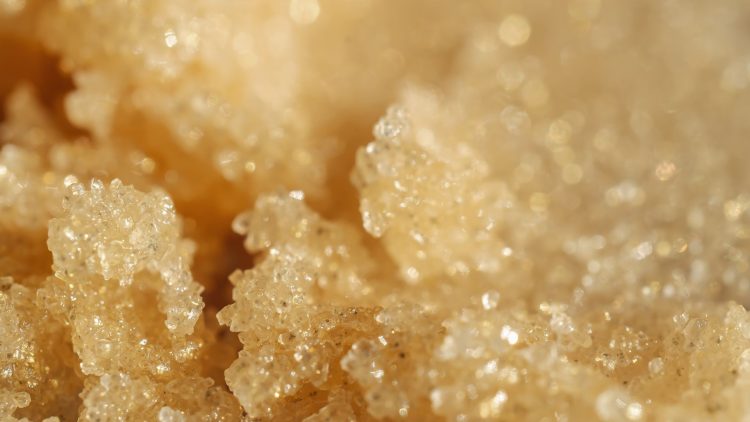
- 3 tablespoons fine raw sugar
- 1 tablespoon coconut oil
- 1/4 teaspoon matcha green tea powder
- 3 drops vitamin E oil
- 2 drops peppermint essential oil (optional)
How to Apply and Use
Preparation
- Ensure lips are clean and free from makeup
- If desired, hold a warm, damp cloth against lips for 30 seconds to soften the skin
- Take a small amount (approximately 1/4 teaspoon) of scrub
Application
- Using your ring finger (which naturally applies the least pressure), gently massage the scrub in circular motions
- Focus on areas prone to dryness, typically the corners and center of lips
- Continue for 30-60 seconds
- Remove with warm water or a damp cloth
- Follow immediately with lip balm to seal in moisture
Usage Frequency
- For normal lips: 1-2 times per week
- For very dry lips: Up to 3 times per week
- During winter months: Increase frequency as needed
- Reduce frequency if irritation occurs
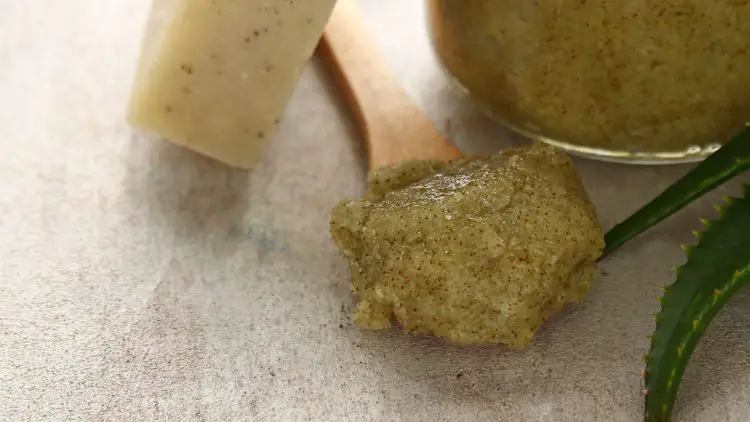
The Magic Behind Each Ingredient
Raw Honey: Beyond its natural humectant properties, honey contains enzymes that gently dissolve dead skin cells. It also provides antibacterial properties, helping preserve the scrub naturally.
Fine Raw Sugar: Acts as a mechanical exfoliant while being gentle enough for delicate lip skin. Raw sugar contains trace minerals and naturally occurring alpha-hydroxy acids (AHAs).
Coconut Oil: Penetrates deeply into skin layers due to its medium-chain fatty acids, providing lasting moisturization. Its lauric acid content offers antimicrobial benefits.
Matcha Green Tea Powder: Our unique addition brings powerful antioxidants called catechins, which help protect lips from environmental damage. It also provides a subtle tightening effect that can make lips appear fuller.
Vitamin E Oil: Acts as a natural preservative while providing powerful antioxidant protection and healing properties.
Peppermint Essential Oil: Optional but adds a pleasant tingle that can temporarily increase blood flow to the lips, creating a natural plumping effect.

- ✓ Premium Japanese Ceremonial Grade Matcha, Fresh from Japan - Made from shade grown, First Harvest tea leaves from Uji Kyoto. The tencha is only ground into powder right before it leaves Japan for the USA, and then sealed into air-tight packets. This gets you extremely fresh, quality Uji matcha to be enjoyed right here in America.
Prices pulled from the Amazon Product Advertising API on:
Product prices and availability are accurate as of the date/time indicated and are subject to change. Any price and availability information displayed on [relevant Amazon Site(s), as applicable] at the time of purchase will apply to the purchase of this product.
Customization Ideas
Yes, you can change things up to make this recipe suit your needs more. Some ideas you can try:
Texture Modifications:
- Replace sugar with finely ground coffee for additional caffeine benefits
- Use brown sugar for a softer exfoliation
- Mix in finely ground oats for sensitive lips
Flavor Variations:
- Add vanilla extract for a dessert-like experience
- Incorporate cinnamon powder for natural plumping
- Mix in cocoa powder for an antioxidant-rich chocolate version
Therapeutic Additions:
- Include neem powder for its medicinal properties
- Add turmeric for anti-inflammatory benefits
- Mix in aloe vera powder for enhanced healing
Adapting Your Formula Throughout the Year
Each season presents unique challenges that can be addressed through thoughtful adjustments to your base recipe.
During winter months, when cold winds and indoor heating systems aggressively strip moisture, increase the ratio of coconut oil and consider incorporating shea butter for enhanced protection. The addition of calendula-infused oil can help combat the inflammation common in wind-chapped lips.
Summer demands a different approach. Higher temperatures necessitate a more stable formula – consider replacing some coconut oil with jojoba oil, which remains stable in heat. Additionally, incorporating natural SPF ingredients like raspberry seed oil provides subtle sun protection, while aloe vera powder helps soothe any existing sun damage.
Spring and fall serve as transitional periods where balance is key. These seasons offer an opportunity to focus on repair and prevention. Consider adding rosehip oil for its regenerative properties, or incorporating gentle enzymatic exfoliants like papaya powder to complement the physical exfoliation of sugar.
Observe and adjust accordingly. Monitor how your lips respond to environmental changes and modify your formula proactively rather than reactively.
Storage and Shelf Life
Store your homemade lip scrub in an airtight glass container. While the honey and vitamin E oil act as natural preservatives, it’s best to use the scrub within 1-2 months. Watch for any changes in color, texture, or smell, which could indicate spoilage.
Tips for Extended Shelf Life
- Use clean, dry utensils when scooping product
- Avoid introducing water into the container
- Store in a cool, dark place
- Consider refrigeration during summer months
What to Do If Something Goes Wrong
If the scrub is too harsh:
- Add more coconut oil
- Reduce the amount of sugar
- Switch to finer exfoliants
If the scrub is too oily:
- Add more sugar
- Reduce coconut oil
- Include more honey
If the scrub separates:
- Stir before each use
- Adjust the honey-to-oil ratio
- Store in a cooler location
When to Avoid Using
While this lip scrub is gentle and natural, avoid use in the following situations:
- Active cold sores or lip infections
- Severely chapped or bleeding lips
- Immediately after dental work
- If allergic to any ingredients
A Note on Exfoliating
The realm of lip care is rife with misconceptions that can lead to unhelpful, sometimes harmful results.
The notion that more aggressive exfoliation yields better results often leads to overscrubbing and irritation. Contrary to popular belief, grittier textures don’t indicate superior exfoliation – finer particles can be equally effective while minimizing micro-tears in delicate lip tissue.
Another persistent myth suggests that oils always cause lip products to spoil quickly. In reality, properly selected oils like jojoba and vitamin E serve as natural preservatives while delivering essential nutrients.
Additionally, the belief that natural scrubs are less effective than chemical exfoliants overlooks the synergistic benefits of mechanical exfoliation combined with enzymatic ingredients found in natural elements like honey and papaya.
A Nourishing, Customizable Homemade Treatment
This DIY lip scrub is a step toward conscious consumerism, environmental responsibility, and personal empowerment in your beauty routine. By understanding and controlling what goes into your lip care products, you can achieve better results while aligning with your values for sustainability and natural beauty.
Document your modifications, observe the results, and trust your experience. Excellence in lip care isn’t found in marketing claims or luxury packaging – it’s crafted in small batches, with pure ingredients, guided by understanding and purpose. Your perfect lip scrub formula might be just a few modifications away.